

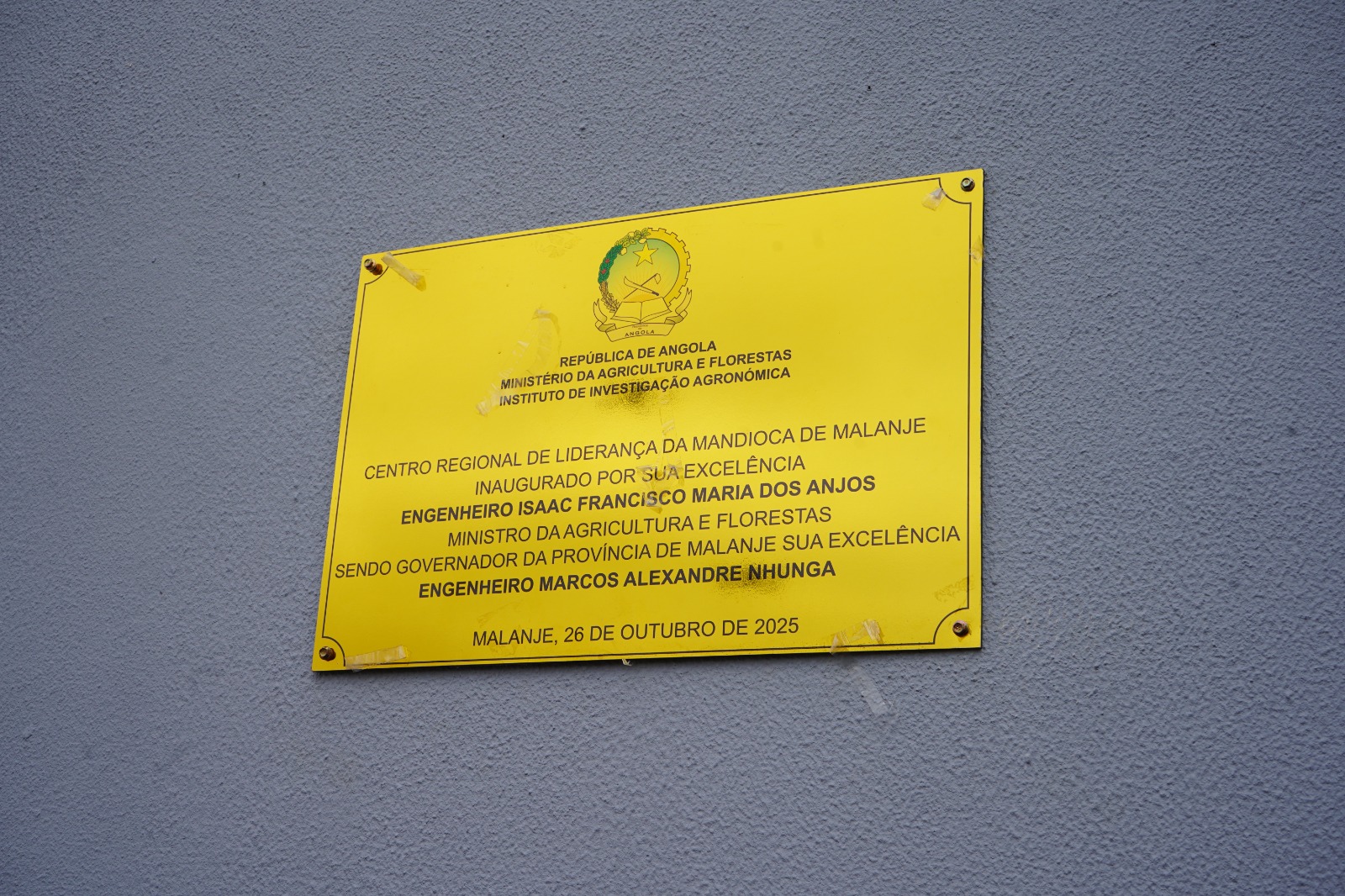
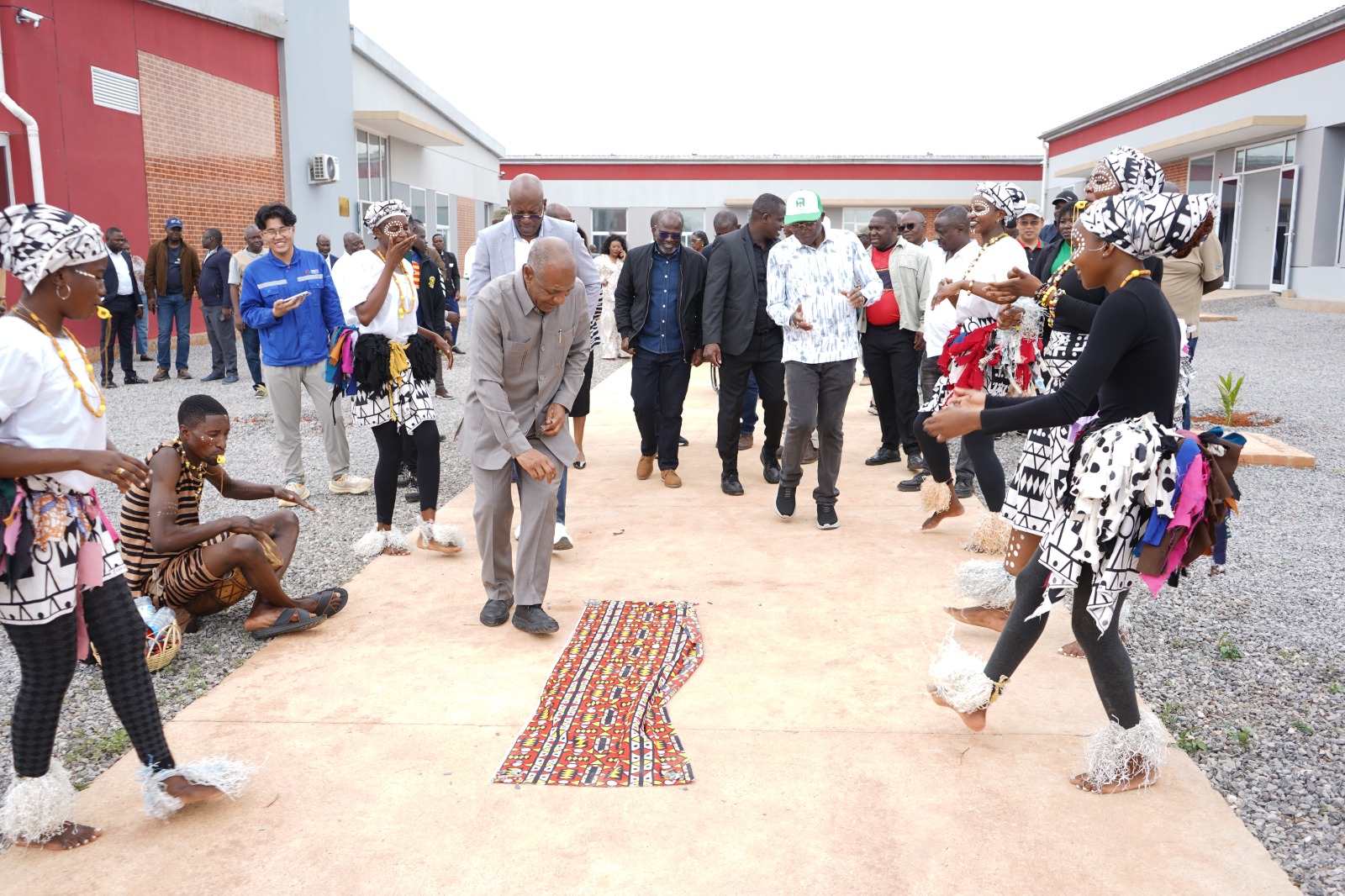
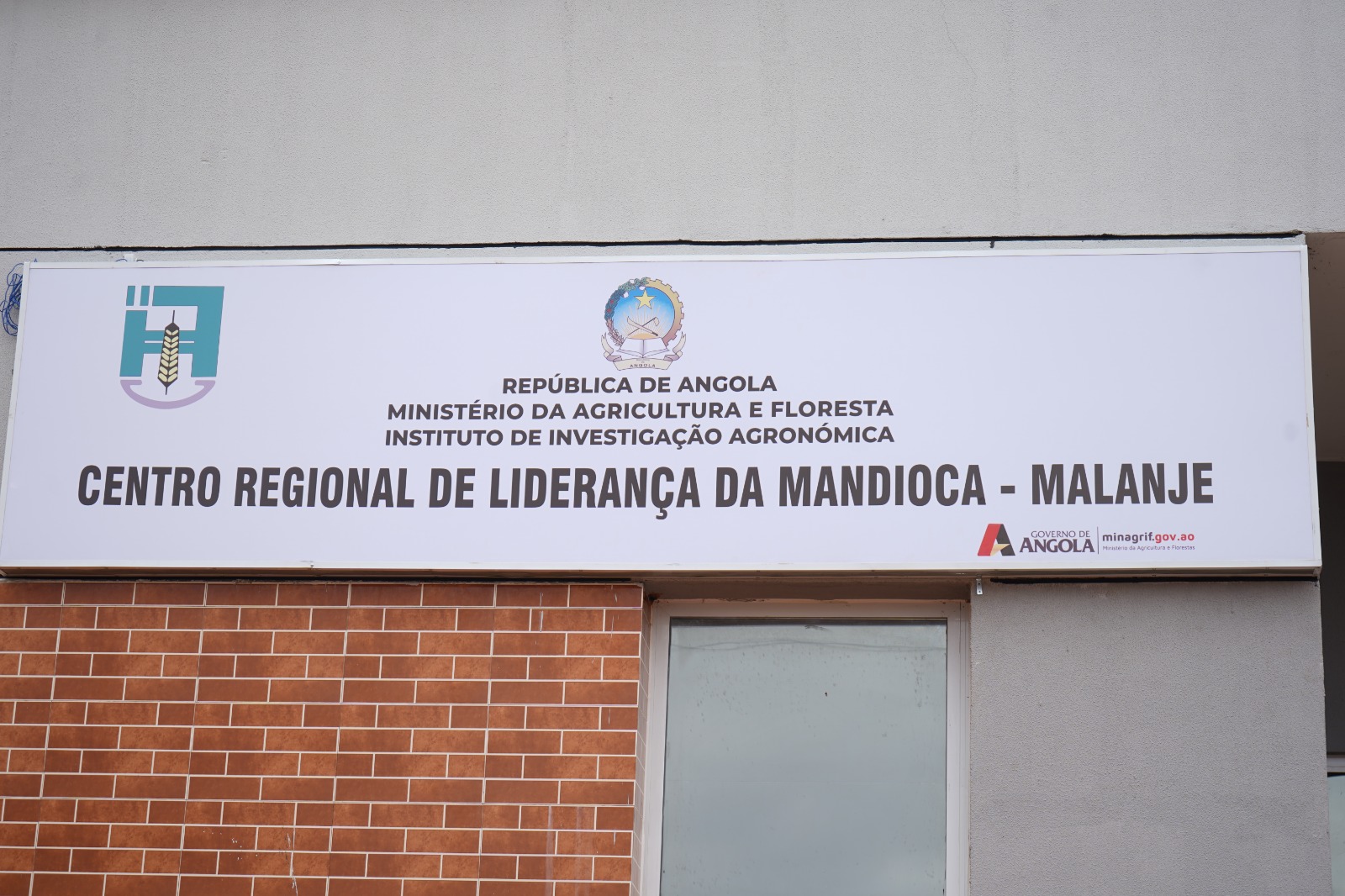
Angola has taken a major step in strengthening agricultural innovation and regional collaboration with the official launch of the Regional Center of Leadership (RCoL) in Cassava and Cassava-based Farming Systems on 27 October 2025, in Malanje Province, approximately 382 kilometers from Luanda, the country’s capital city.
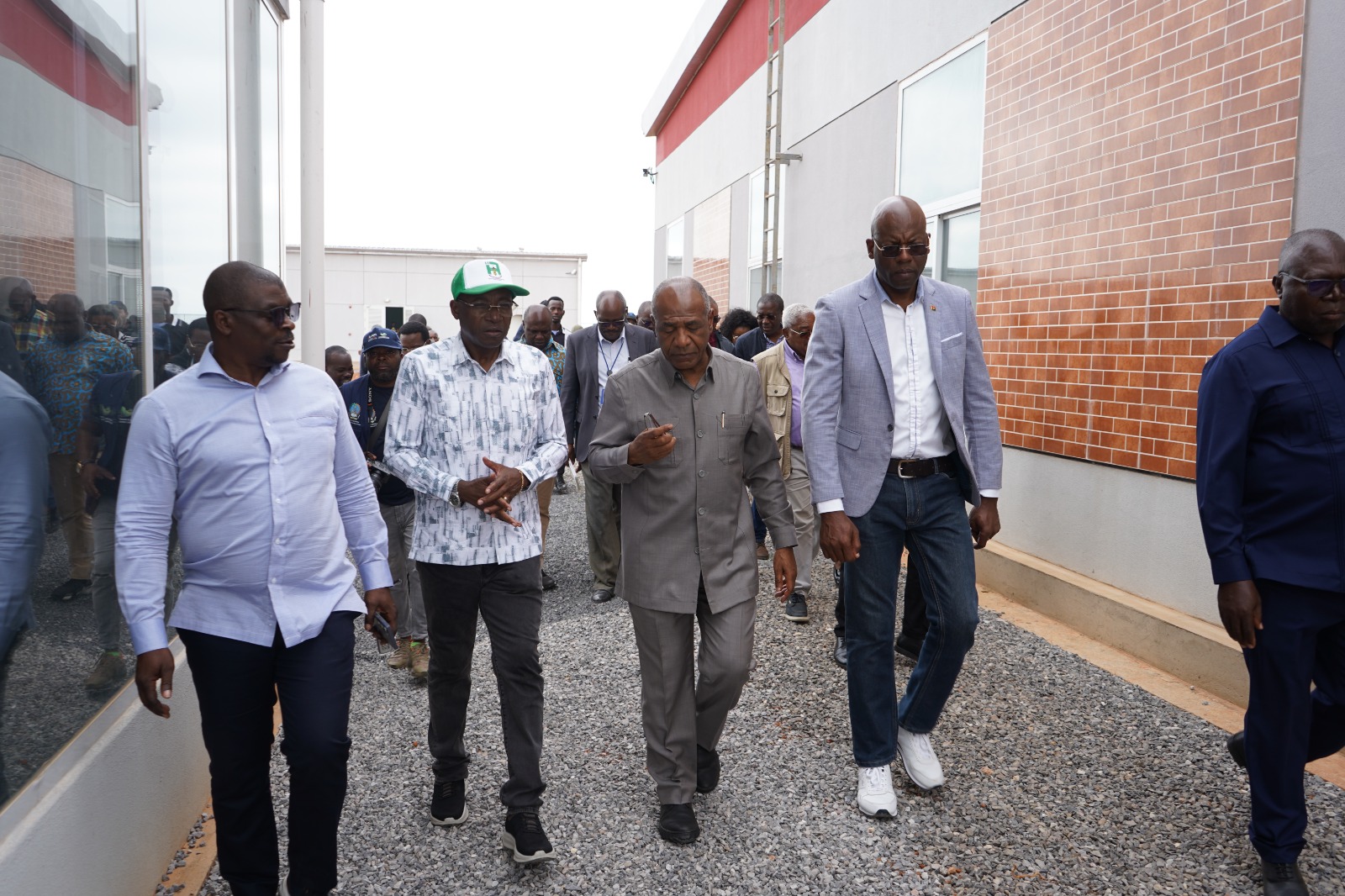
The center was officially opened by His Excellency Isaac dos Anjos, Minister of Agriculture and Forestry, during a ceremony attended by local authorities, scientists, international development partners, and representatives of agricultural organizations.
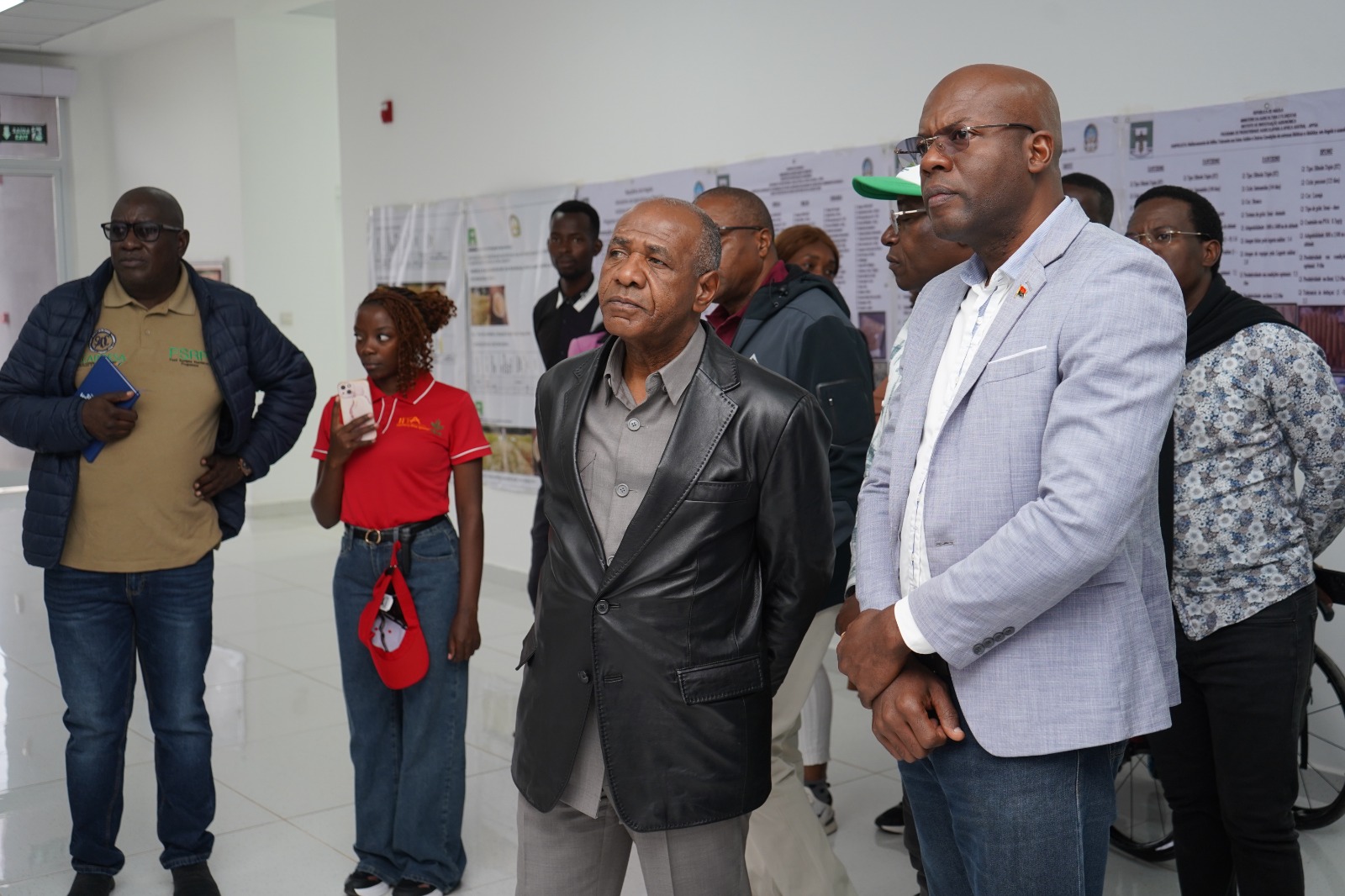
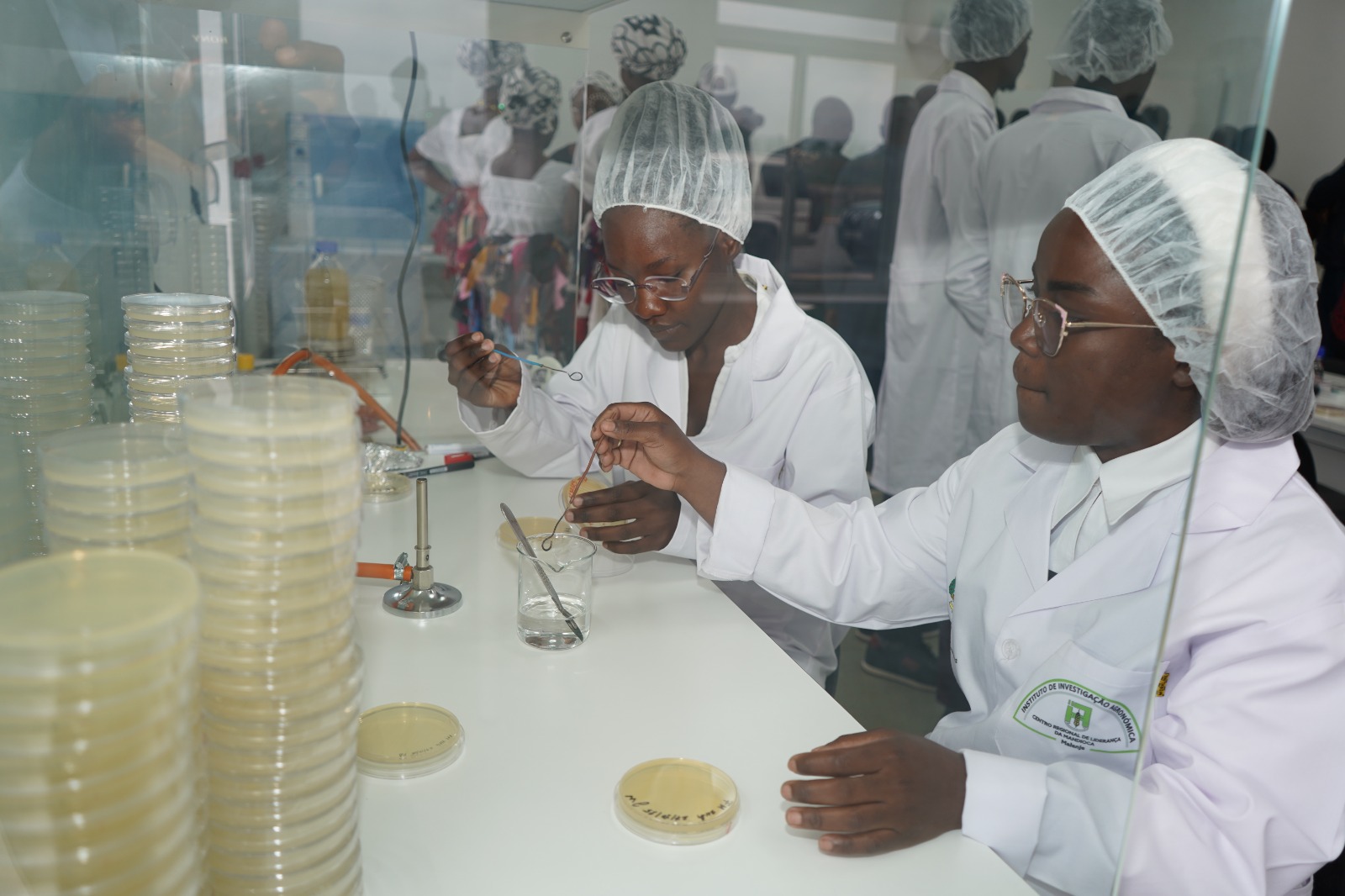
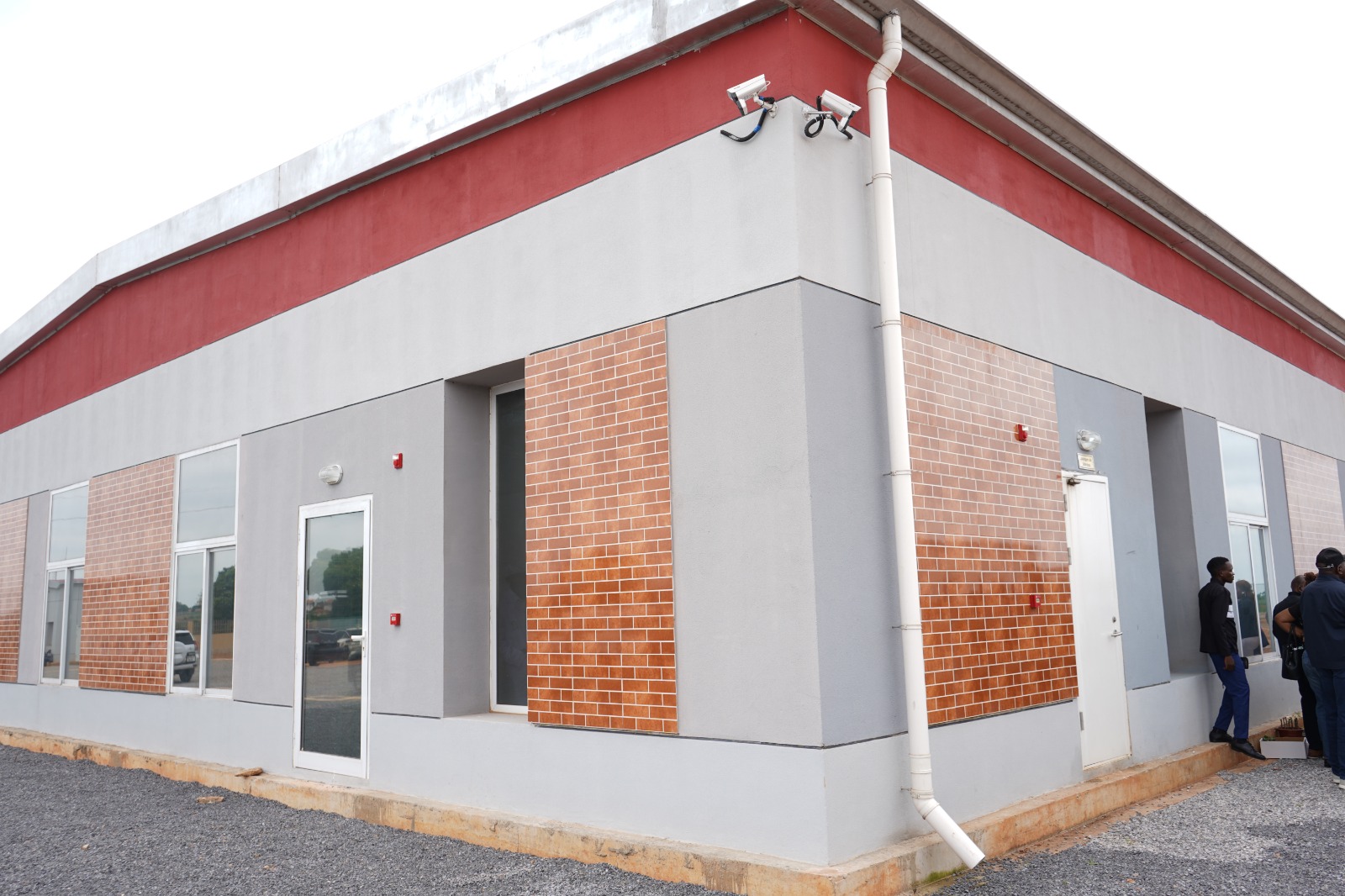
Situated on a 14,000-square-meter site in Malanje Province, the new facility stands as a modern hub for research, technology transfer, and capacity building. It houses laboratories, greenhouses, experimental fields, and training facilities dedicated to advancing agricultural science and innovation.
The Cassava RCoL represents an investment of 4.15 billion kwanzas (approximately USD 5 million), financed jointly by the Government of Angola and the World Bank under the framework of the Agricultural Productivity Programme for Southern Africa (APPSA) Phase 2.
 |  |  |
A Legacy of Regional Cooperation
The establishment of the Cassava RCoL marks one of the final milestones of APPSA Phase 2, a regional initiative that officially concluded in June 2025. Implemented by Angola and Lesotho, APPSA was regionally overseen by the Centre for Coordination of Agricultural Research and Development for Southern Africa (CCARDESA).
Under APPSA, Angola focused on cassava and cassava-based farming systems, while Lesotho concentrated on horticulture and horticulture-based farming systems. Together, these two new centers expand the network of RCoLs previously established under APPSA Phase 1 in Malawi (Maize RCoL), Mozambique (Rice RCoL), and Zambia (Food Legumes RCoL), creating a stronger platform for collaborative agricultural research across the region.
These Regional Centers of Leadership (RCoLs) create a dynamic platform connecting research institutions across the 16 SADC member states, fostering collaboration in the generation, adaptation, and dissemination of agricultural technologies aimed at enhancing productivity and resilience throughout the region.
Advancing Cassava Research and Rural Transformation
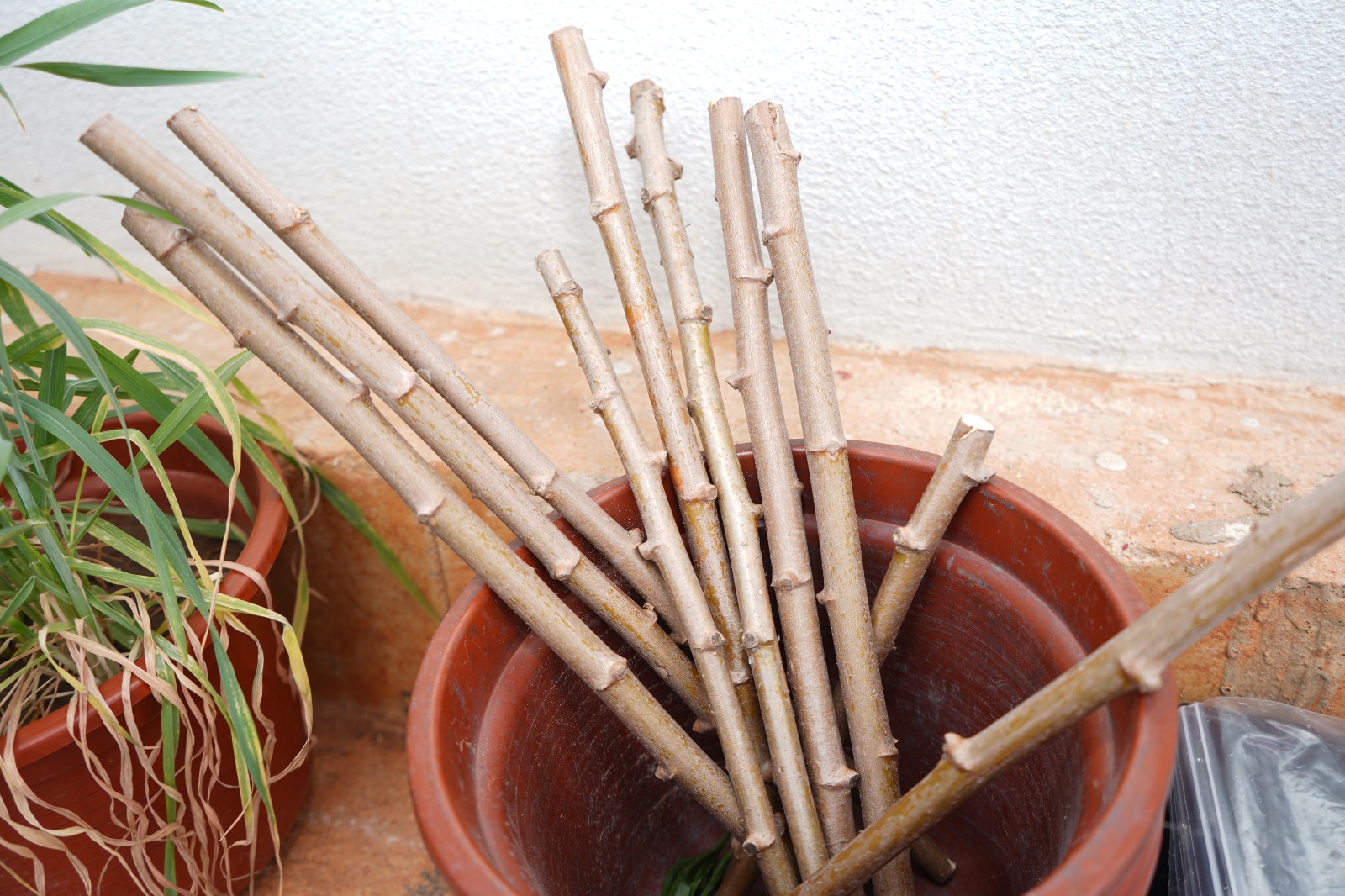
At its core, the Cassava RCoL aims to advance applied research and innovation in the cassava value chain, a crop that is both economically and nutritionally vital for millions of households in Southern Africa. In addition to cassava, the center will support research on other key crops including maize, cowpea, groundnut, sweet potato, soybean, banana, and millet.
The center currently employs 12 newly recruited technicians and plans to expand its staff to a team of 6 PhD holders, 12 master’s-level researchers, 24 graduates, and 14 diploma-level technicians. This diverse scientific team will drive high-quality research, innovation, and knowledge exchange to ensure the sustainable development of the sector.
Beyond its scientific mission, the Cassava RCoL is already contributing to local economic growth through job creation and skills development, reinforcing Malanje’s position as a dynamic hub for agricultural advancement.
 |  |  |
Strengthening Angola’s Role in Regional Agricultural Innovation
The official launch of the Cassava RCoL positions Angola as a key player in agricultural research and innovation within the SADC region. By promoting improved technology generation and transfer, farmer training, and collaborative research, the center is set to make a lasting contribution to food security and sustainable rural development.
Moreover, the Cassava RCoL’s work will generate knowledge and technologies that go beyond national borders, benefiting not only Angola and Lesotho, but also the broader SADC community.
The establishment of the Cassava and Cassava-based Farming Systems Center in Malanje stands as a symbol of continuity of the legacy of APPSA, ensuring that the regional spirit of collaboration and science-led development continues to thrive for the benefit of future generations.
 |  |  |