
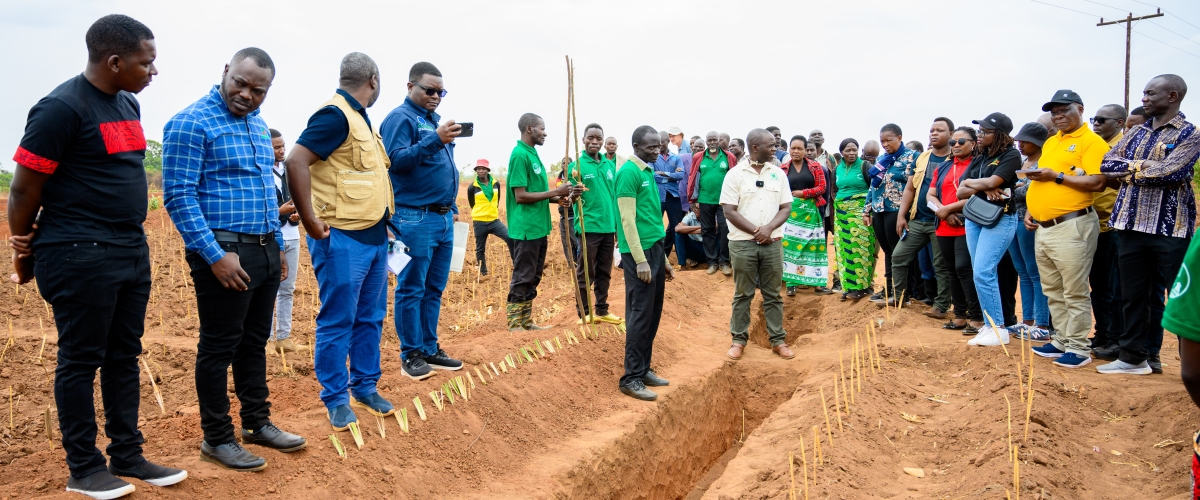
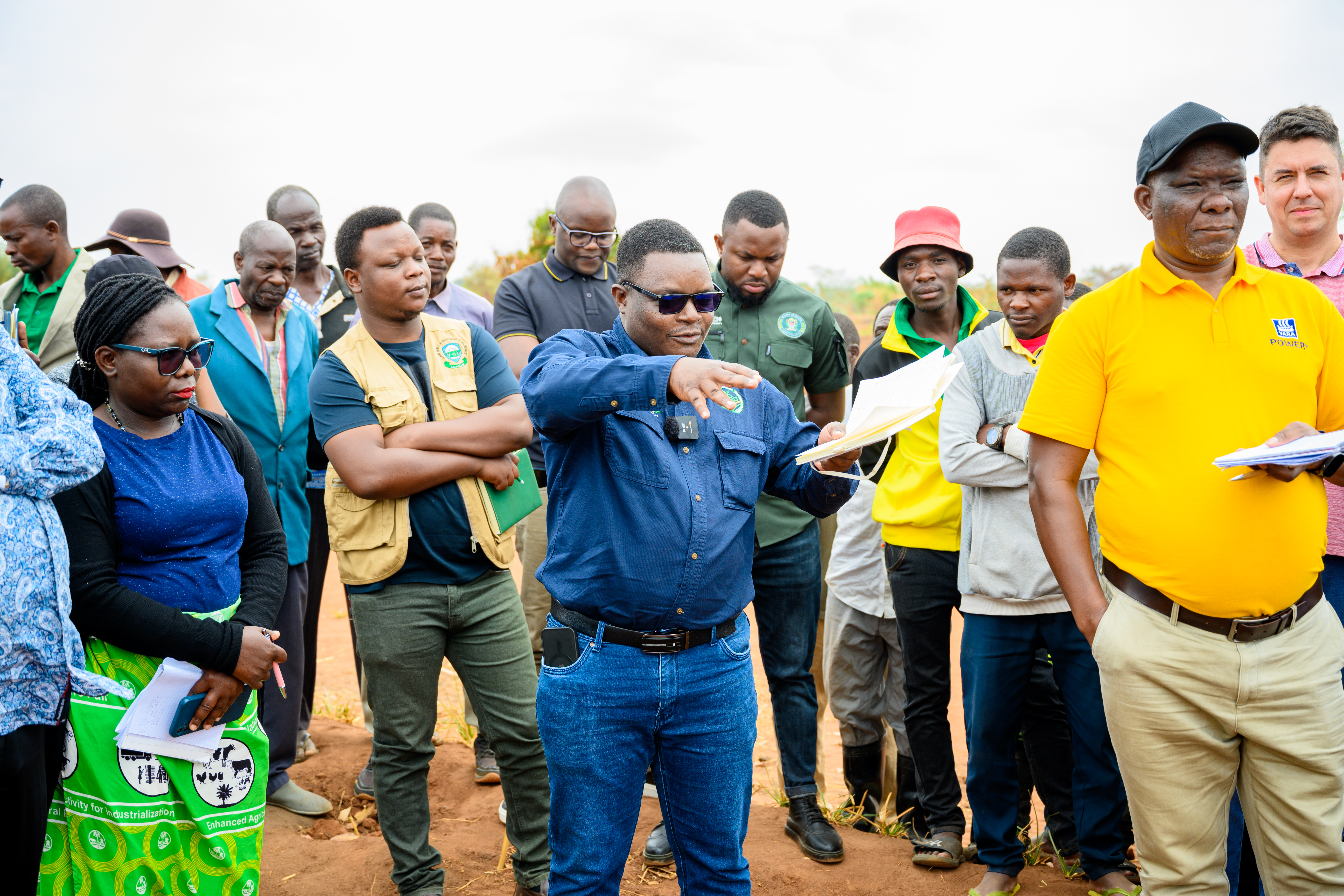
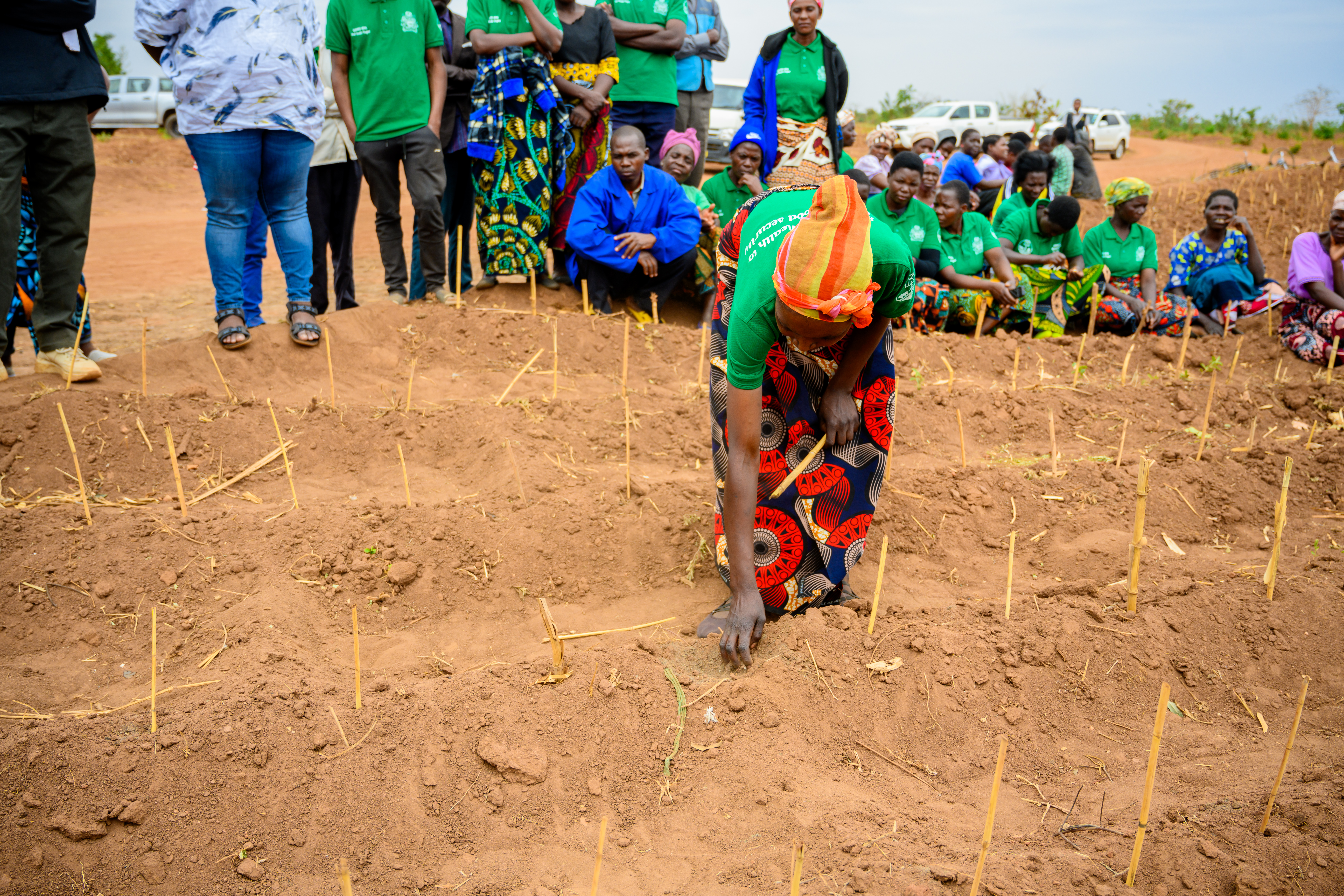
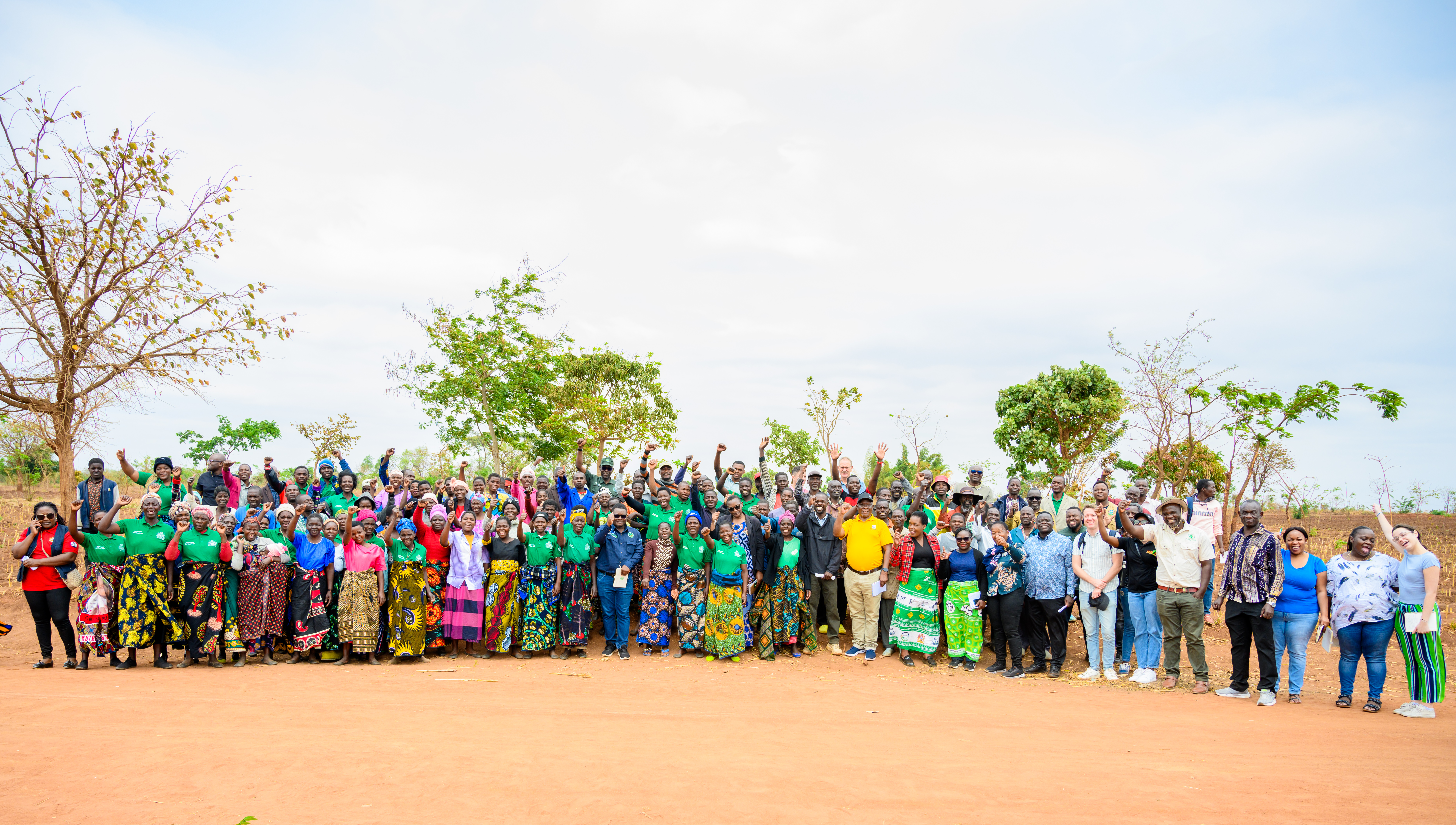
No conversation about soil is complete without touching the earth itself. Participants travelled to the Ukwe Extension Planning Area, where Malawi’s Soil Health Pilot Programme has been helping communities restore degraded land. Here, farmers proudly demonstrated simple but powerful techniques, planting vetiver grass to stop erosion, using compost to enrich the soil, and practicing crop rotation to keep the land alive. For many delegates, the visit was a reminder that meaningful change begins with farmers, and that the right incentives can turn local innovation into national transformation.
Back in the meeting hall, the discussions deepened. Bruce Campbell from Clim-Eat unpacked the complex relationship between soil health and subsidy reform, while Prof. Ken Giller painted a vivid picture of how agroecology and technology adoption could work hand-in-hand.
Representing CCARDESA, Acting Executive Director, Dr. Barthlomew Chataika, highlighted opportunities in carbon farming and shared updates on the Regional Soil Health and Fertilizer Program. He reminded participants that soil health is not just a technical issue, but a regional mission tied to Africa’s food security, climate resilience, and sustainable growth.
By the final day, one message echoed through the room: collaboration is key. Participants agreed that fragmented efforts and weak data systems continue to slow progress. They called for stronger partnerships, reliable information, and coordinated action that places soil health at the heart of agricultural policies.
As delegates left Lilongwe, there was a shared sense of purpose that Africa’s future rests on its soil, and nurturing it will require both wisdom and unity.
For CCARDESA, this workshop reaffirmed its leadership role as a regional knowledge broker and convener. As host of the SADC Soil Health and Fertilizer Hub, CCARDESA remains committed to driving evidence-based action, connecting partners, and supporting policies that help farmers across Southern Africa regenerate their land, one field at a time. Because when the soil thrives, Africa thrives too.