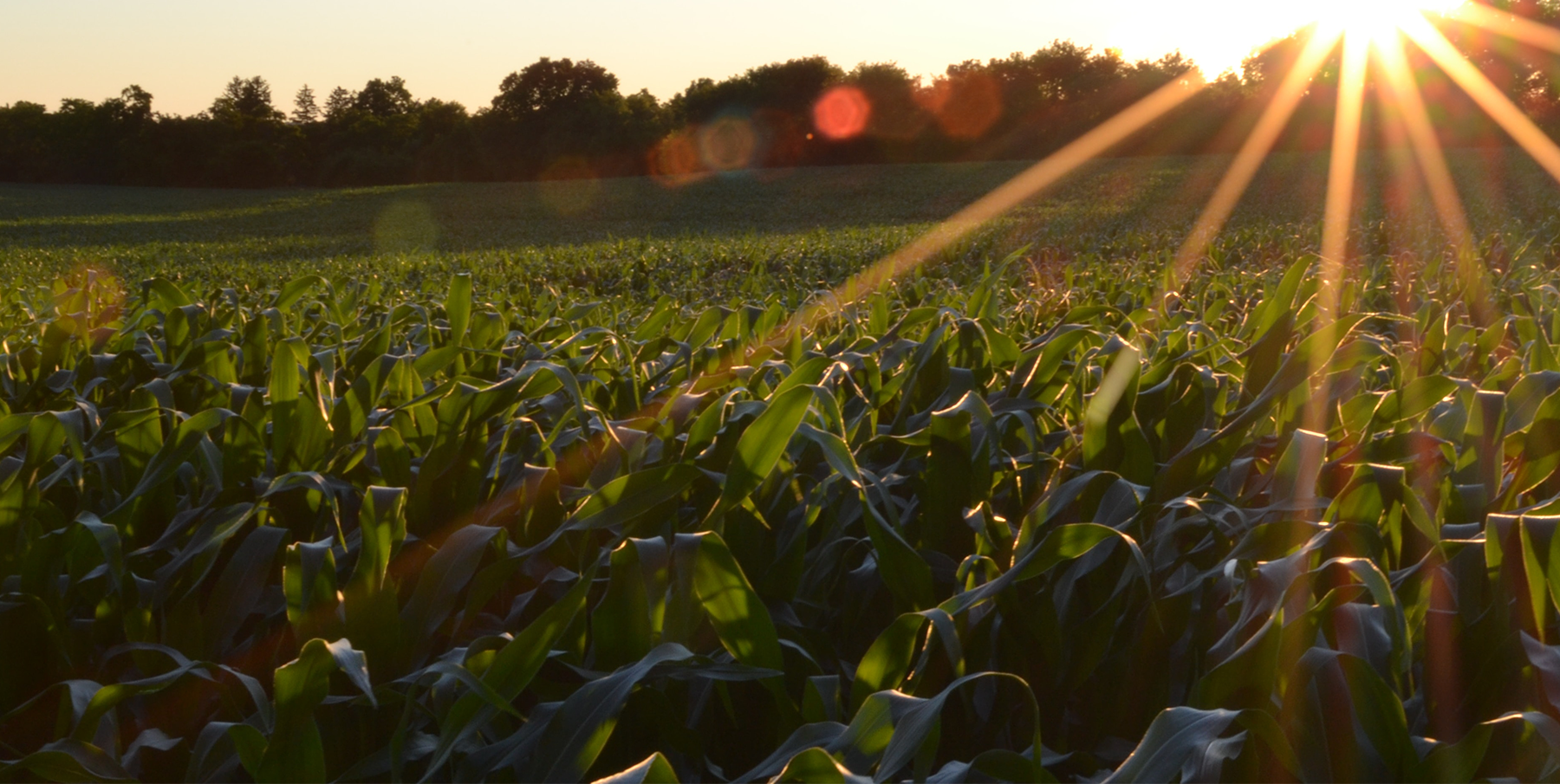
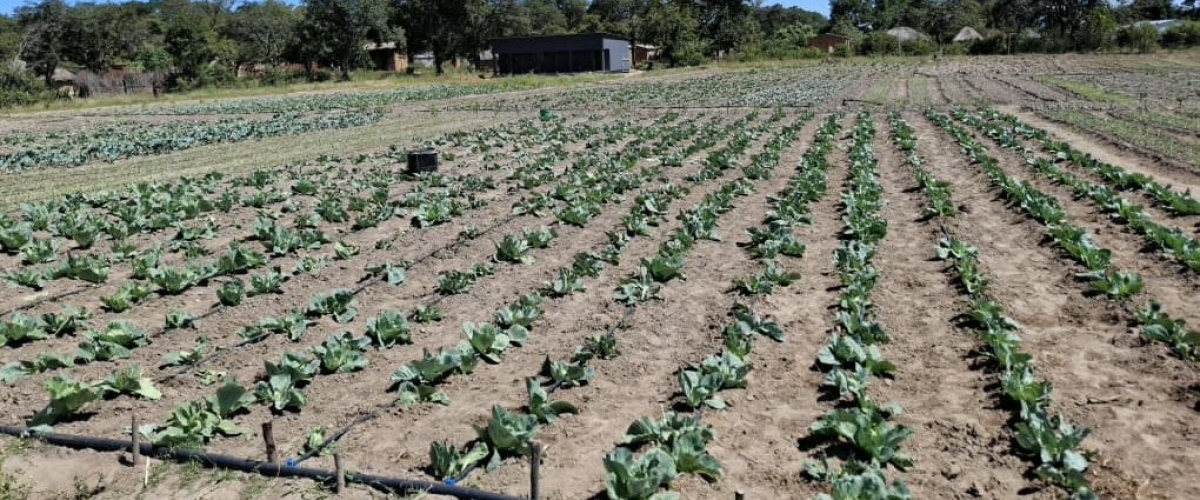
A total of 140 households in Chief Saili’s chiefdom of Chipata District are set to improve their livelihoods following the establishment of a modern solar-powered irrigation scheme designed to promote year-round production of high-value crops and strengthen resilience to climate change.
The five-hectare irrigation scheme, located in Magugu Village in Chankhonzi Agricultural Camp, was established by the Centre for Coordination of Agricultural Research and Development for Southern Africa (CCARDESA) in collaboration with the Ministry of Agriculture.
The initiative is supported by the World Bank through the Accelerating Impacts of CGIAR Climate Research for Africa project, with CCARDESA coordinating implementation in Southern Africa under the AICCRA East and Southern Africa cluster led by the International Livestock Research Institute (ILRI).
Speaking on behalf of the beneficiary households, Headman Magugu described the irrigation scheme as a transformative investment that will help farmers increase the production of high-value crops and improve household incomes.
He said the facility would enable communities to transition from vulnerable rain-fed agriculture to more reliable and productive farming systems. “This is an unprecedented development in our area. Previously, people depended on small vegetable gardens along seasonal streams, which were often destroyed by livestock and affected by water shortages. The irrigation scheme provides a reliable source of water and creates opportunities for increased production and income generation,” he said.
Headman Magugu urged beneficiaries to safeguard the infrastructure to ensure communities continue benefiting from the investment for many years.
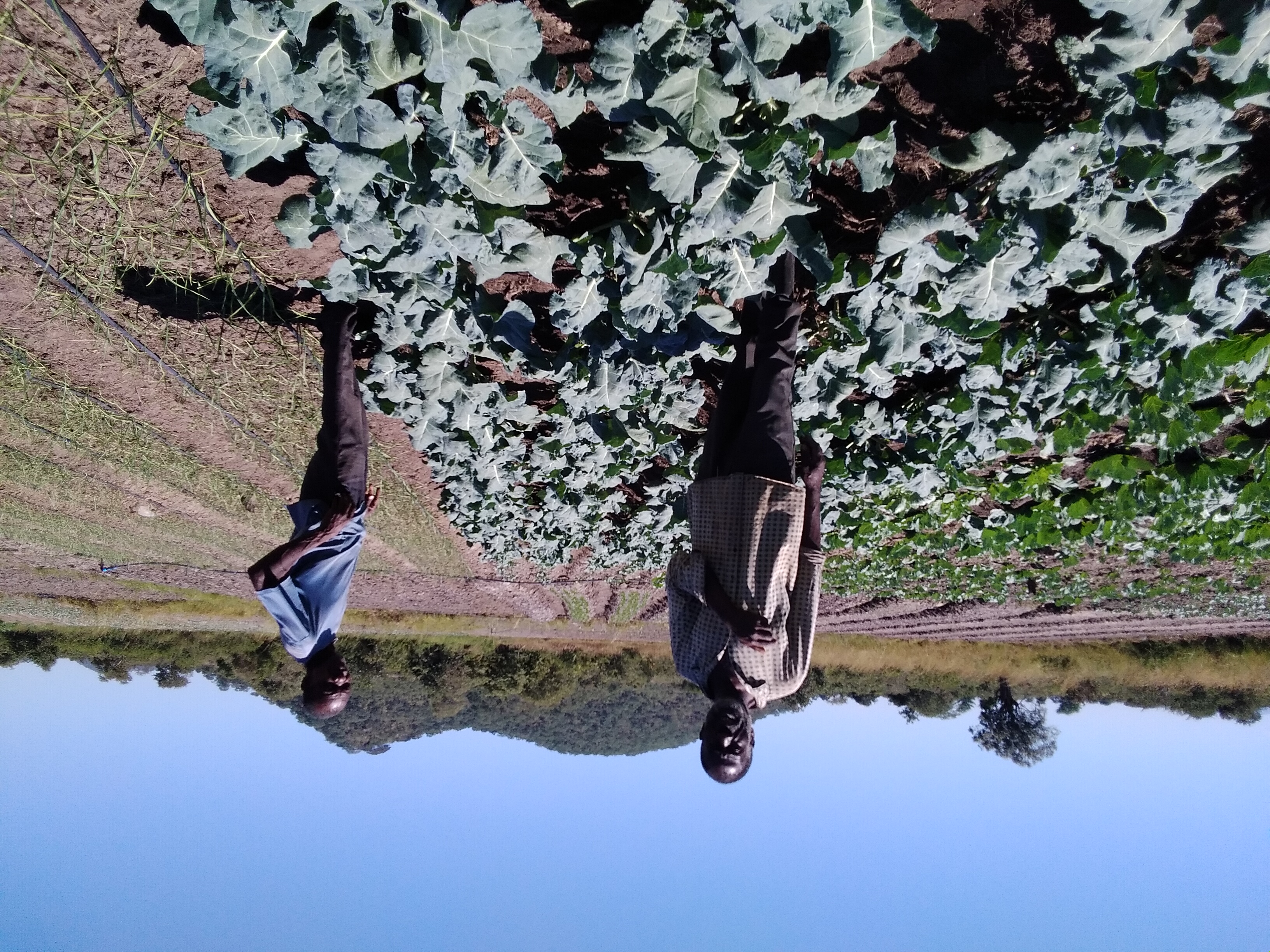
Headman Magugu
Magugu Irrigation Scheme Chairperson, Kububa Shawa, said the project comprises 22 plots and is directly benefiting 44 smallholder farmers who are producing a variety of horticultural crops for the market. He said farmers were growing tomatoes, cabbage, okra, broccoli, cucumbers and green beans, crops that offer higher economic returns than many traditional rain-fed crops. Mr. Shawa said the project would significantly improve household incomes, food security and nutrition among vulnerable communities while enabling families to meet essential needs such as education and healthcare.
Meanwhile, Chipata District Agricultural Coordinator’s Office Irrigation Engineer Rodrick Tembo said the facility was established as a Climate-Smart Agriculture (CSA) model village and demonstration site to serve as a learning center for resilient agricultural practices.
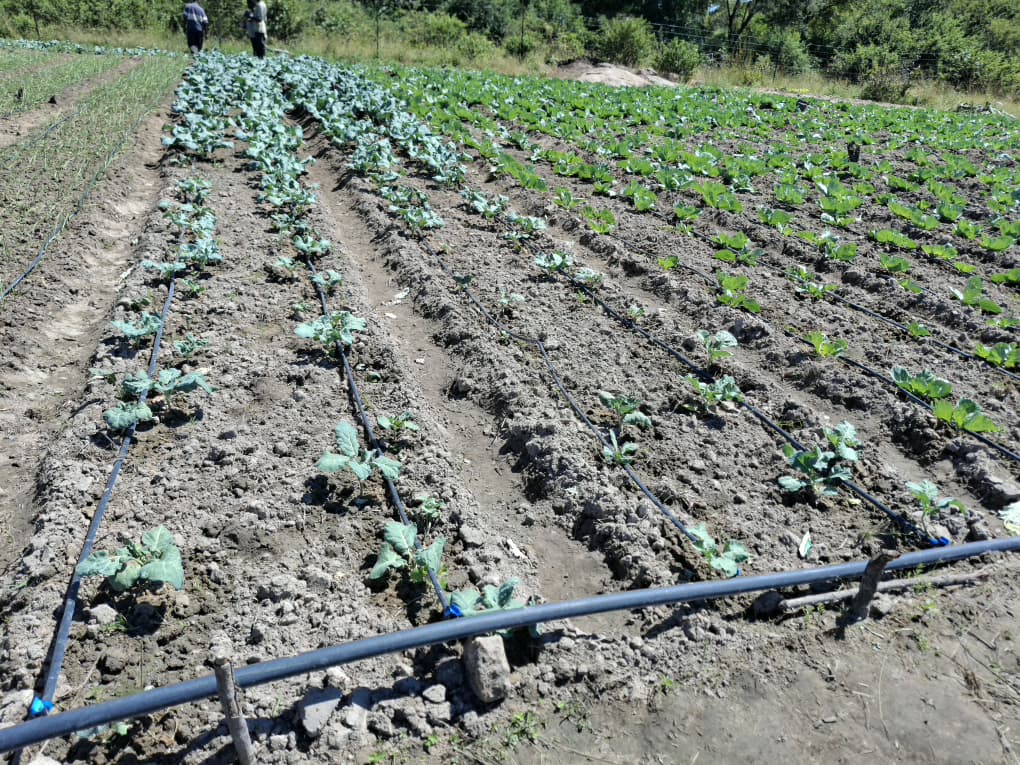
Engineer Tembo said the initiative aims to strengthen farmers' adaptive capacity to climate change, improve agricultural productivity and water-use efficiency, promote sustainable land management and enhance agricultural value chains. “The irrigation scheme sits on a five-hectare piece of land. So far, about two hectares have been fenced, while a 1.3-hectare drip irrigation-based vegetable production site has already been established and operationalized. The remaining land has been earmarked for agroforestry activities,” he said. He added that the scheme is supported by two boreholes and an ablution block equipped with showers and sanitary facilities, and that construction works are complete.
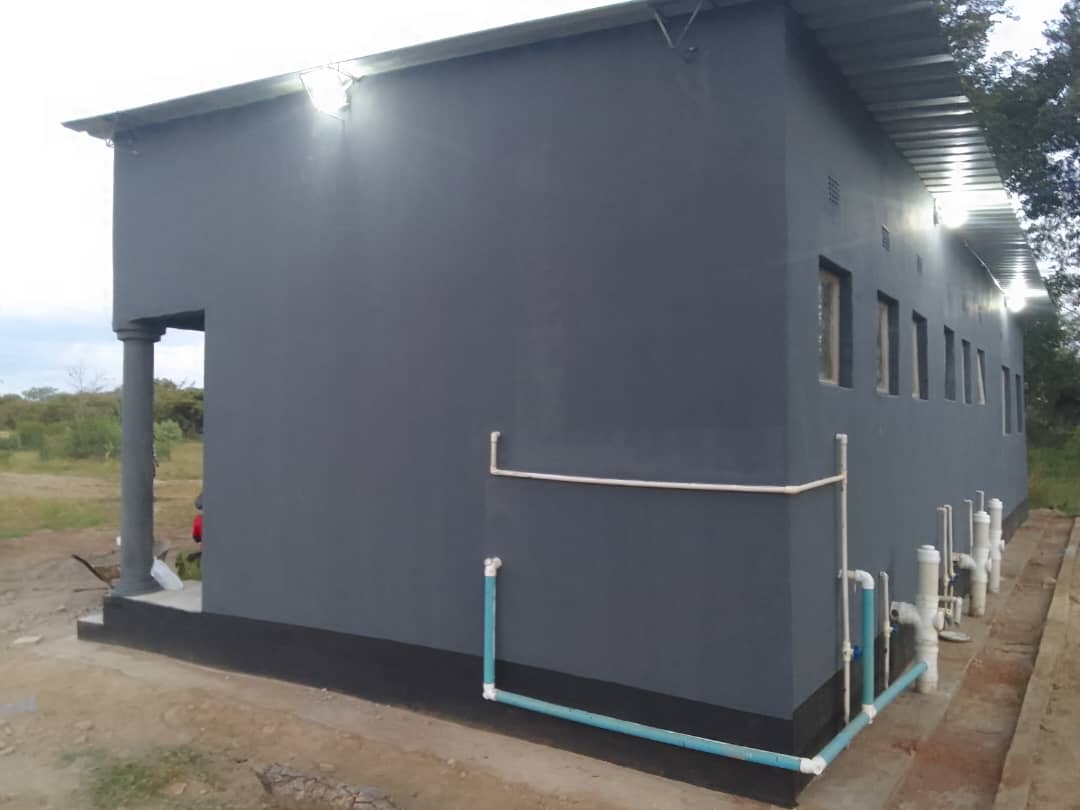
The initiative also promotes the use of Climate Information Services (CIS), which provide farmers with timely weather forecasts, seasonal outlooks and climate advisories to support informed decision-making on crop production, irrigation scheduling and other farm management practices. The pilot site demonstrates solar-powered irrigation and other sustainable agricultural technologies aimed at improving productivity, strengthening resilience to climate change and enhancing rural livelihoods.
The site is expected to benefit about 1,400 people from 140 households and to contribute to Zambia’s broader agricultural transformation agenda, which seeks to place an additional 500,000 hectares of land countrywide under irrigation by 2031. -The author is a Reporter at National Agriculture Information Services(NAIS)-Zambia