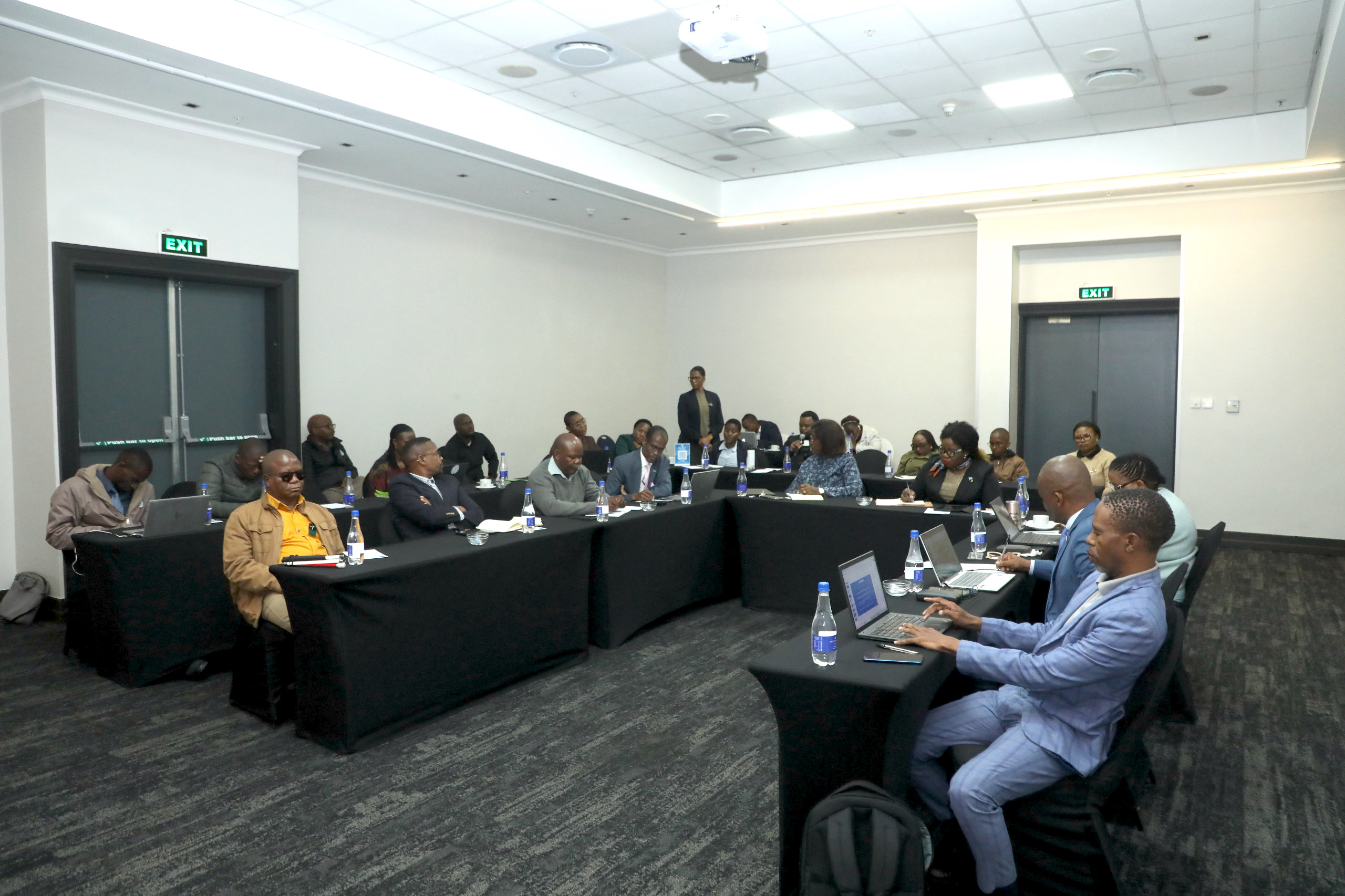
The media needs to understand the Ecosystem-Based Mitigation and Adaptation in Botswana Communal Rangelands Project so that its objectives can be aligned with Botswana’s policy framework, according to Conservation International (CI) Botswana Country Director, Portia Segomelo.
Segomelo was speaking during a media awareness workshop recently held at Protea Masa Square Hotel in Gaborone’s Central Business District. She said the project is being implemented in line with government initiatives and policies, adding that CI recognizes the important role the media plays in sharing information with the public. Segomelo said the workshop was also intended to strengthen relations between CI and the media, as journalists are able to reach communities and areas that project officials may not always access. She added that the media can help amplify the project’s message and ensure communities understand the benefits of the initiative.
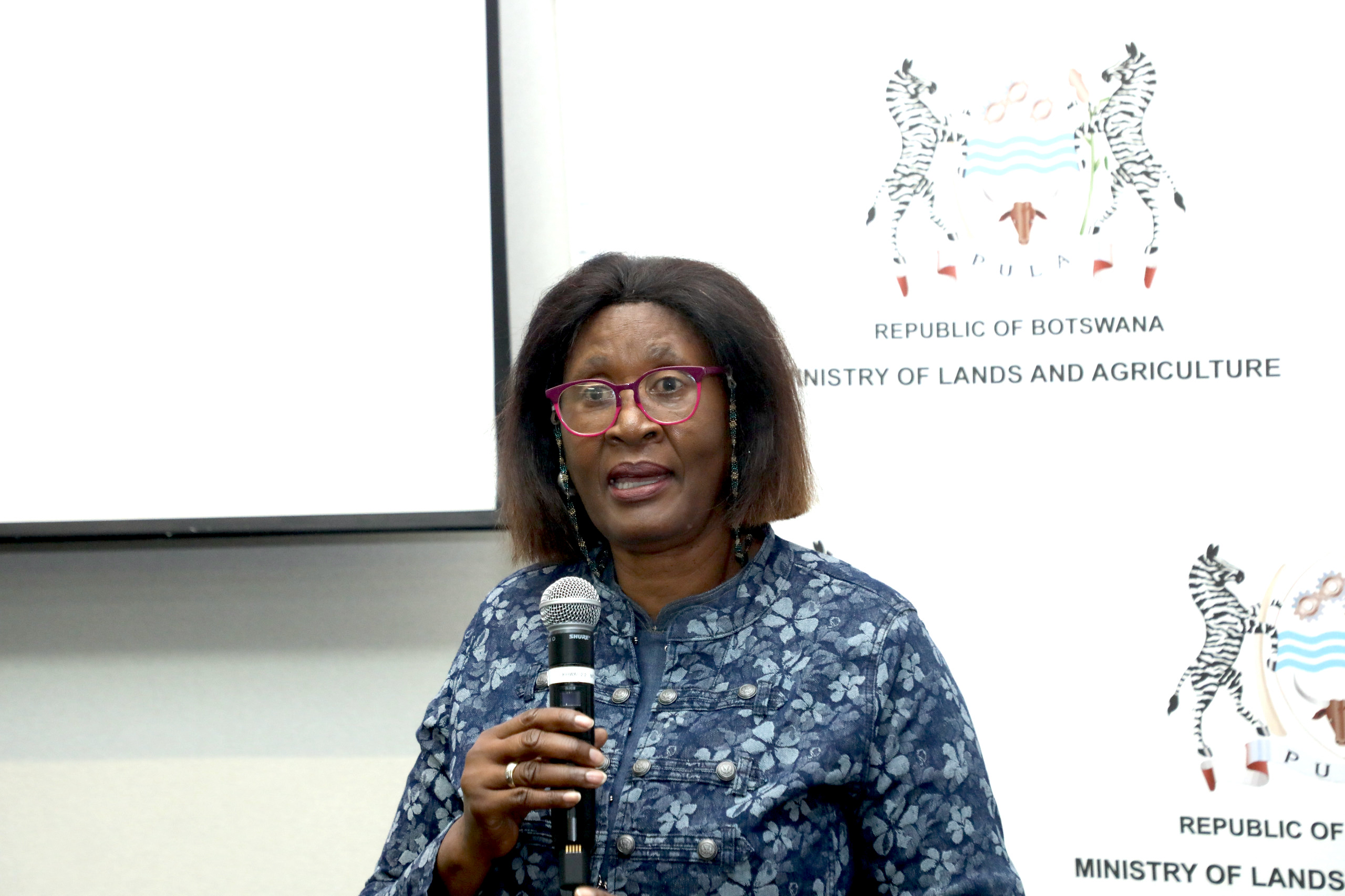
Ms. Portia Segomelo.
According to Segomelo, the project is expected to benefit all Batswana, although current resources limit implementation to three specific landscapes. She said it is therefore important for journalists to fully understand the project in order to report accurately and effectively. She said CI is also exploring opportunities to support capacity building for media houses so they can become stronger advocates for conservation and environmental protection. Segomelo explained that the project focuses not only on restoring rangelands but also on protecting natural resources and improving the livelihoods of communities.
She said CI operates in 30 countries worldwide, with a mandate to protect, restore, and sustainably manage natural resources in both terrestrial and marine environments.
Segomelo noted that CI was entrusted with administering the Green Climate Fund (GCF) grant awarded to Botswana to address climate change challenges. She added that CI is partnering with the Botswana government in implementing the project, which was officially launched earlier this year in Tsabong by President Advocate Duma Boko. “We are happy to see strong representation from various media houses today,” she said.
Speaking at the workshop, Deputy Permanent Secretary for Livestock, Dr. Kefentse Motshegwa, said Botswana, like many developing countries, is heavily affected by climate change despite contributing minimally to global greenhouse gas emissions. He said bush encroachment is evidence of changes within ecosystems, noting that Botswana once had abundant palatable grass species, but now many areas are dominated by acacia species, reducing grazing land.
Dr. Motshegwa said climate change, rangeland degradation, and veld fires continue to threaten livelihoods, wildlife, and livestock. He said the project is being implemented through a partnership between the Botswana government, the GCF, and CI, and represents a major national investment.
Botswana contributed 54 million US Dollars toward the project, which he said demonstrates the government’s political commitment. The project targets the Kgalagadi, Bobirwa, and Ngamiland regions.
Dr. Motshegwa described the initiative as a foundation for future expansion and emphasized the need for the media to help spread awareness about the importance of rangeland restoration. “This is not just a conservation programme. It is also a livelihood improvement programme aimed at helping Batswana cope with climate stress,” he said. He further noted that the project aligns with national development priorities, including Botswana’s Economic Transformation Plan and National Development Plan 12.
Dr. Motshegwa explained that the project has three main components:
- strengthening institutions and climate-responsive planning systems for communal rangeland management;
- reducing greenhouse gas emissions through rangeland rehabilitation; and
- improving adaptive capacity and low-carbon development through value chain development and policy transformation.
He said Botswana’s value chains remain underdeveloped and that the project aims to address this challenge. Although the project began in 2021, Dr. Motshegwa acknowledged that implementation delays and initial challenges resulted in significant time being lost. “We have to hit the ground running, and we are encouraged that the new government decided to continue supporting the project after recognizing its potential,” he said. He added that the project was officially launched in Tsabong in 2025, while an implementation agreement was signed in Phuduhudu in March this year.
According to Dr. Motshegwa, Phuduhudu is expected to become a learning centre for rangeland restoration and will help demonstrate the project’s impact on other communities. He said public skepticism remains a challenge, but successful implementation in Phuduhudu could help build confidence in the project. Dr. Motshegwa stressed that the initiative requires strong community ownership and leadership in order to succeed. He also cautioned the media against spreading misinformation, which he said has become common globally.
Project Coordinator Bueno Shanto Mokhutshwane said the project received a total of USD 97.6 million in funding from the GCF, CI, and the Botswana government. He said the GCF contributed USD 36.8 million, CI contributed USD 6.8 million, while the Botswana government contributed USD 54 million. Mokhutshwane said the project aims to strengthen the ability of communities living in communal rangelands to respond to climate change. He explained that the selected landscapes were identified based on their vulnerability to climate change and the importance of livestock production in those areas. The project covers six administrative districts across Botswana. Bobirwa forms one landscape, while the Ngamiland landscape includes the Okavango and North West districts. The Kgalagadi landscape includes Hukuntsi, Tsabong, and Mabutsane districts.
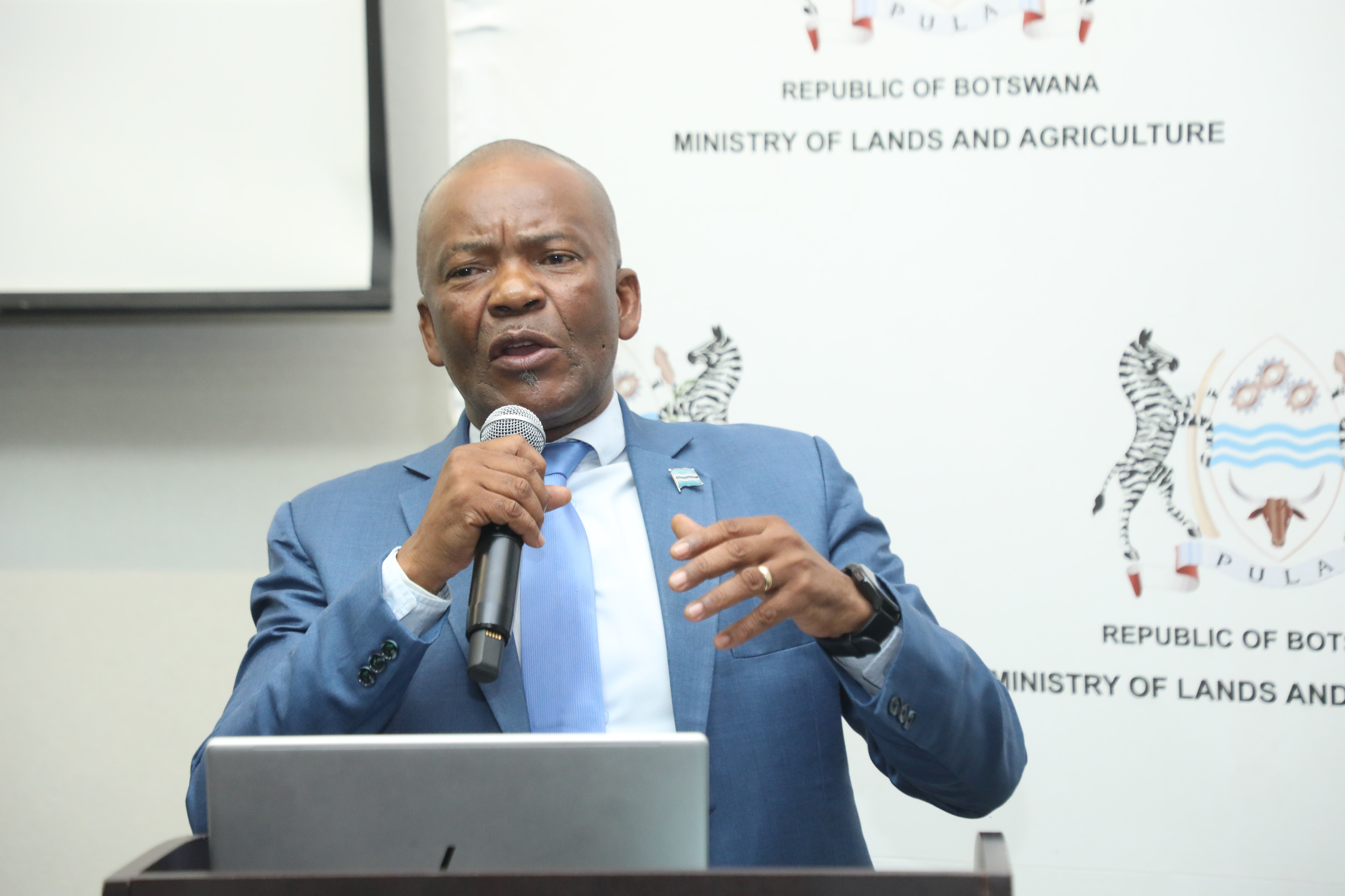
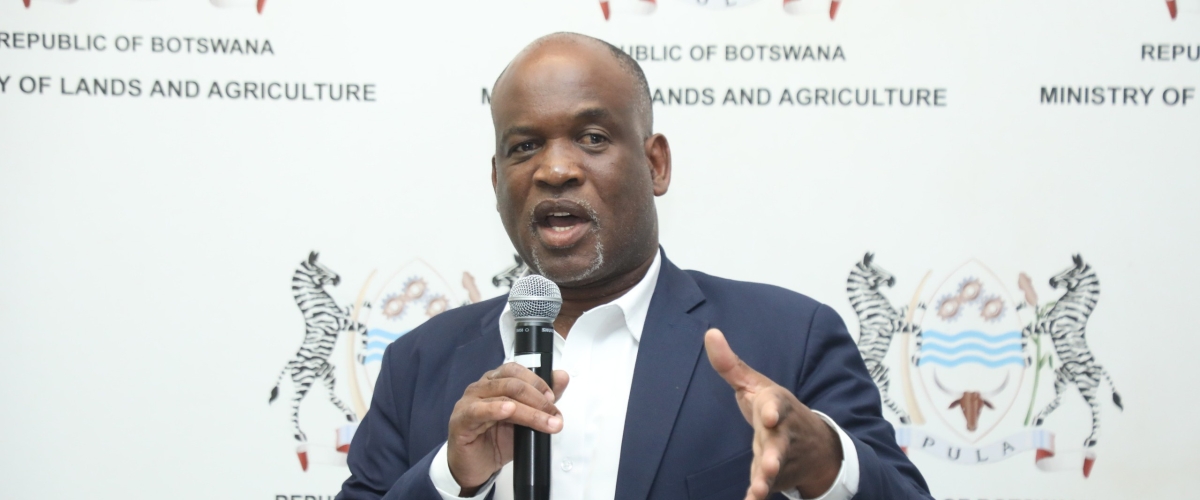
Mr. Bueno Shanto Mokhutshwane
These landscapes cover 104 villages divided into nine clusters and are expected to benefit about 240,000 people directly. Mokhutshwane said the project uses the Herding for Health model, which integrates human, animal, institutional, and environmental health. He explained that the model promotes climate-smart farming and supports wildlife and livestock coexistence while restoring rangelands. He added that improved ecosystem health could create economic opportunities through ecosystem services such as medicinal herbs and wild fruits.
Mokhutshwane acknowledged that one of the biggest challenges facing ecosystem-based mitigation and adaptation is the lack of information, which is why the project plans to establish a rangeland information portal. Other challenges include limited financial resources and resistance from institutions that may not fully understand the importance of rangeland restoration. He said the project also includes training Eco Rangers, who will help implement the Herding for Health model and will be paid through the project.
Another component focuses on improving livelihoods through value chain and enterprise development aimed at supporting low-carbon production systems. “We want to ensure that beneficiaries improve their livelihoods through value chain and enterprise development linked to low-carbon production in our rangelands,” he said. Mokhutshwane added that expected outcomes include job creation, with about 6,000 green jobs planned for Eco Rangers and restoration workers who will be trained and deployed under the project, as well as broader sustainable economic development.
The Acting Director of Animal Production, Hildah Motsipa, said her department is the custodian of the project and that, if implemented successfully, it will help restore rangelands and improve the livelihoods of local communities.
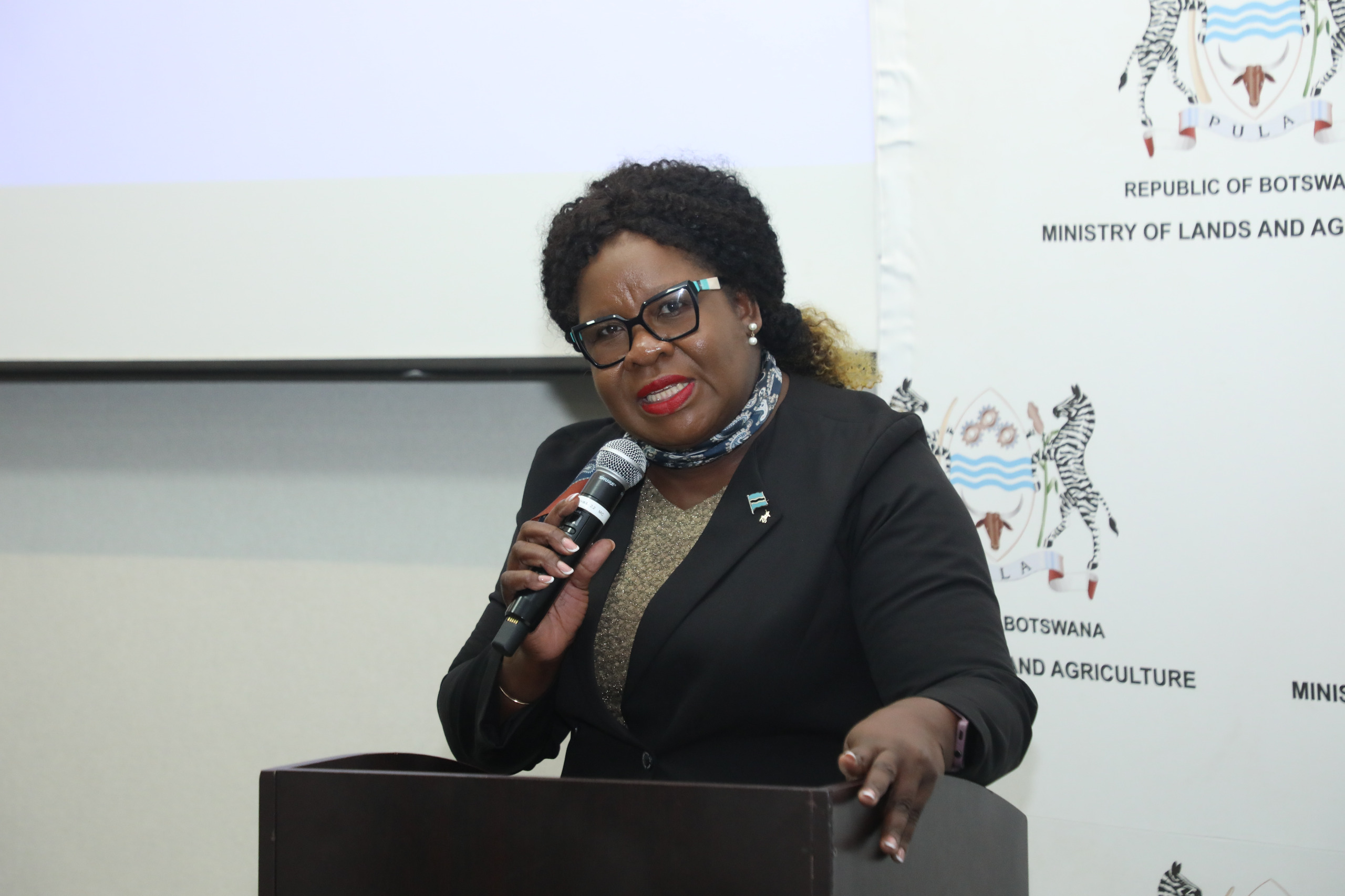
Ms. Hildah Motsipa
She also urged the media to report on this project properly to avoid the distortion of the issues being addressed.
The author is a sub-editor at the Ministry of Lands and Agriculture in Botswana