
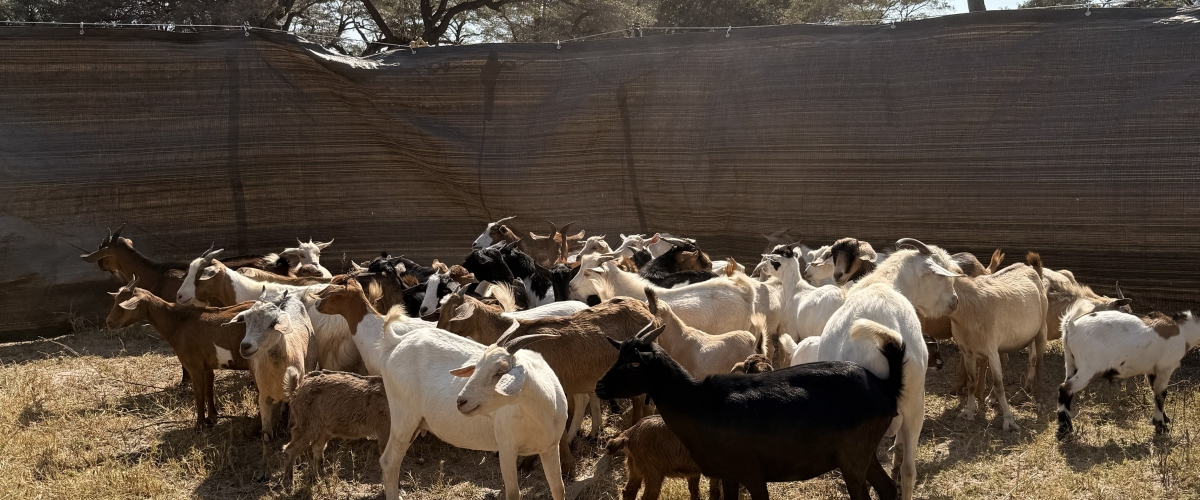
This was more than the arrival of Youthful Silishebo Liywali ’s goats. It was the first visible step towards a new way of managing livestock, improving community livelihoods and restoring the rangelands on which people and animals depend.
Mr. Silishebo volunteered to become the first livestock owner to enroll his goats in the Herding for Health program following community training organized by the IKI Growing Greener Consortium. The training brought together pastoralists and community members from Mangumbo Central, Lizwayi and Kabeti zones, alongside traditional leaders, veterinary personnel, fire-management specialists and project partners.
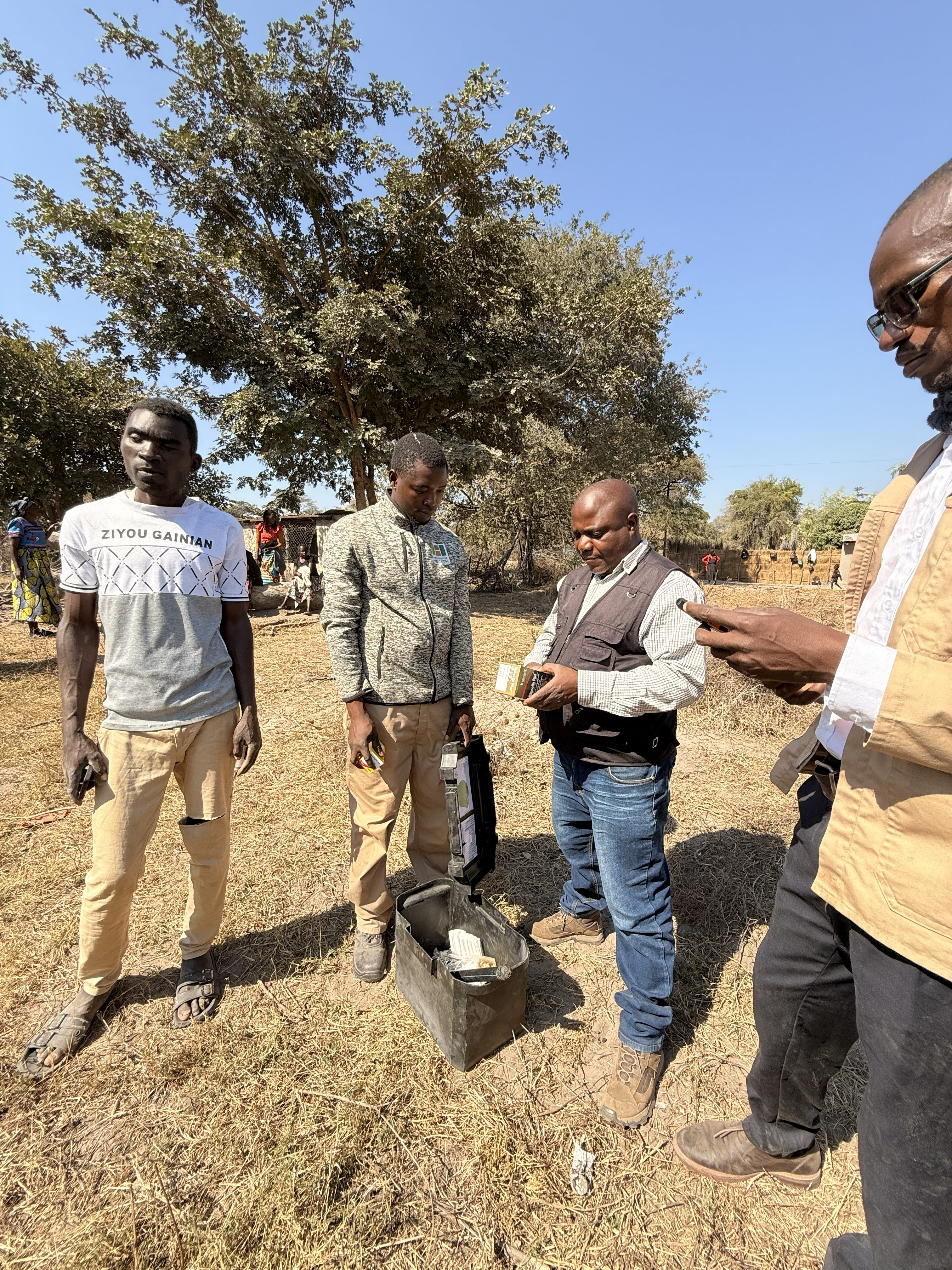
Mr. Silishebo in a white and grey T-shirt
During the discussions, livestock owners shared painful experiences of watching their goats become sick and die because of poor management and limited access to veterinary services. For families that rely on livestock for food, income, and financial security, every goat lost represents a serious setback.
The training helped the communities imagine a different future, one in which their animals could be brought together into a properly managed herd, regularly monitored and moved according to an agreed grazing plan.
Silishebo decided to take the first step.
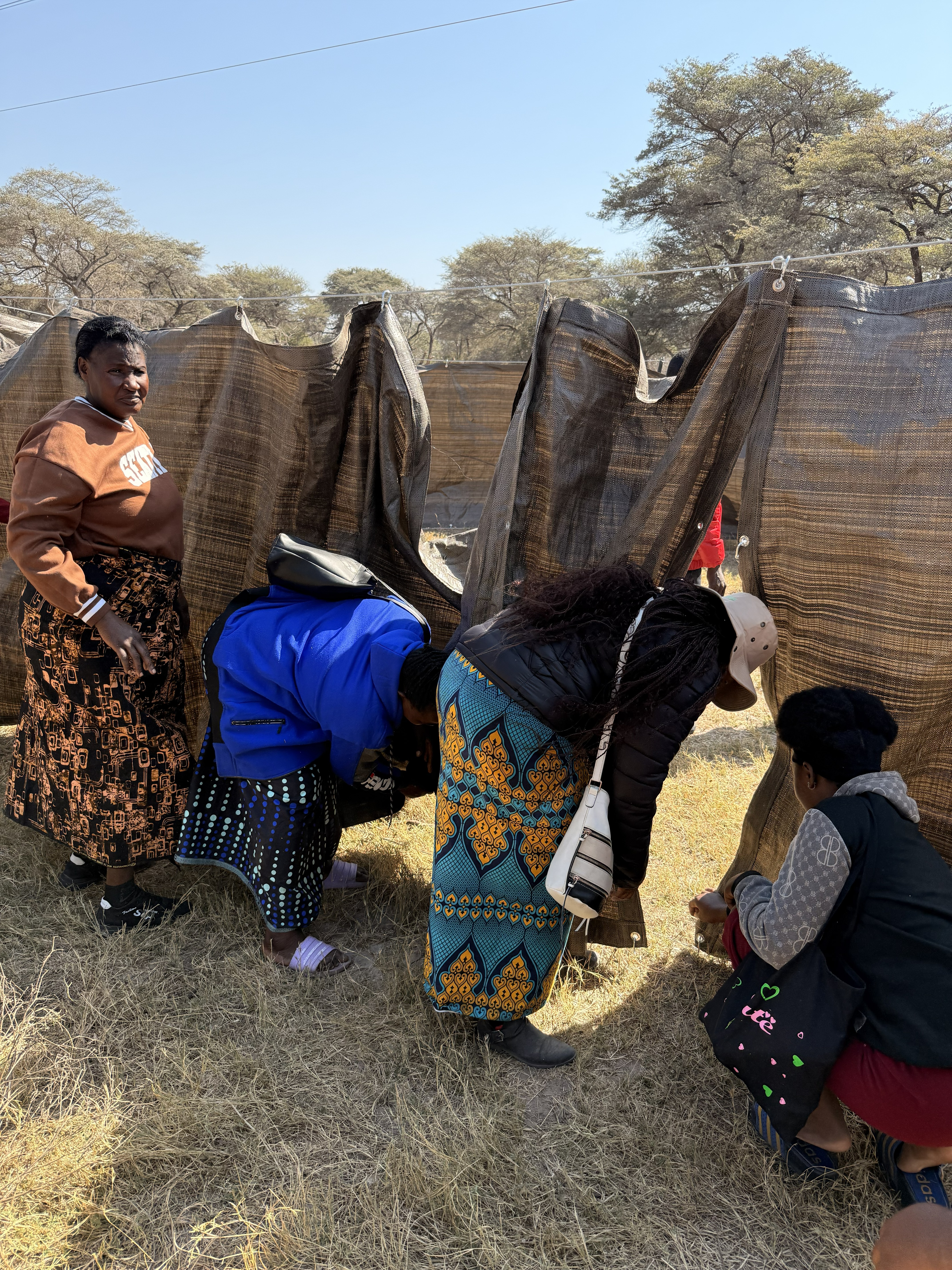
Before the goats arrived, the community worked together to set up a mobile boma where the animals could be safely gathered overnight. Unlike a permanent enclosure, the mobile boma can be moved from one part of the rangeland to another as the herd follows the planned grazing route.
When Silishebo brought his goats, the atmosphere was filled with anticipation. As the gate opened, the animals rushed into the enclosure, stirring the earth beneath their hooves. Community members watched as the first herd officially entered the programme.
Veterinary personnel, project partners and community members moved carefully among the animals. Each goat was vaccinated and tagged so that it could be identified, monitored and properly managed.
“I volunteered my goats because I want us to find a better way of managing our animals. If we bring them together, take care of their health and manage our grazing properly, we can reduce livestock losses and protect the land for our children,” said Silishebo.
The community was no longer simply listening to explanations about Herding for Health. It was putting the concept into practice. Herding for Health is an integrated livestock and rangeland-management approach that recognises the close connection between animal health, ecosystem health and community well-being.
Under the approach, livestock owners bring their animals together into organised herds managed by trained herders. The animals are moved through the landscape according to planned grazing arrangements, allowing previously grazed areas sufficient time to rest and recover. The mobile boma is central to this process. Moving it across the landscape prevents animals from remaining in one place for too long. It also concentrates manure and animal impact in selected areas, helping improve soil fertility and support vegetation recovery when properly managed.
Organized herding makes it easier to monitor livestock, coordinate vaccinations and veterinary services, detect disease early, and reduce stock theft through closer supervision. Herding for Health therefore goes beyond gathering animals, it uses improved livestock management to restore landscapes and strengthen livelihoods. Silishebo’s goats are expected to form the foundation of a larger community herd as other livestock owners enroll their animals.
The initiative demonstrates that livestock and rangeland health cannot be protected through individual action alone. When animals share grazing areas and water points, one livestock owner's decisions affect the wider community. Herding for Health therefore encourages communities to move from isolated decisions towards shared responsibility for their animals and land.
There is still a journey ahead. More livestock owners will need to join, grazing plans must be followed, veterinary support must continue, and the community must maintain its commitment to collective management. But every journey begins with a first step.
In Simalaha, that step began with the sound of more than 50 goats running into a mobile community boma, and one farmer willing to open the gate to healthier livestock, restored rangelands, and a more secure future.
This initiative is implemented collaboratively through the assistance of GIZ working in the Consortium with Peace Parks Foundation, Centre for Coordination of Agriculture Research and Development for Southern Africa (CCARDESA), and Conservation International. This is an International Climate Initiative (IKI) project funded through the German Federal Ministry for the Environment, Climate Action, Nature Conservation and Nuclear Safety ( BMUKN).