By Keikantse Lesemela
Southern African countries have been urged to move beyond merely collecting agricultural data and start using it to drive policy, investment, and farmer-level decisions, as regional leaders warned that fragmented information systems are weakening the region's response to climate shocks, food insecurity, and cross-border agricultural threats.
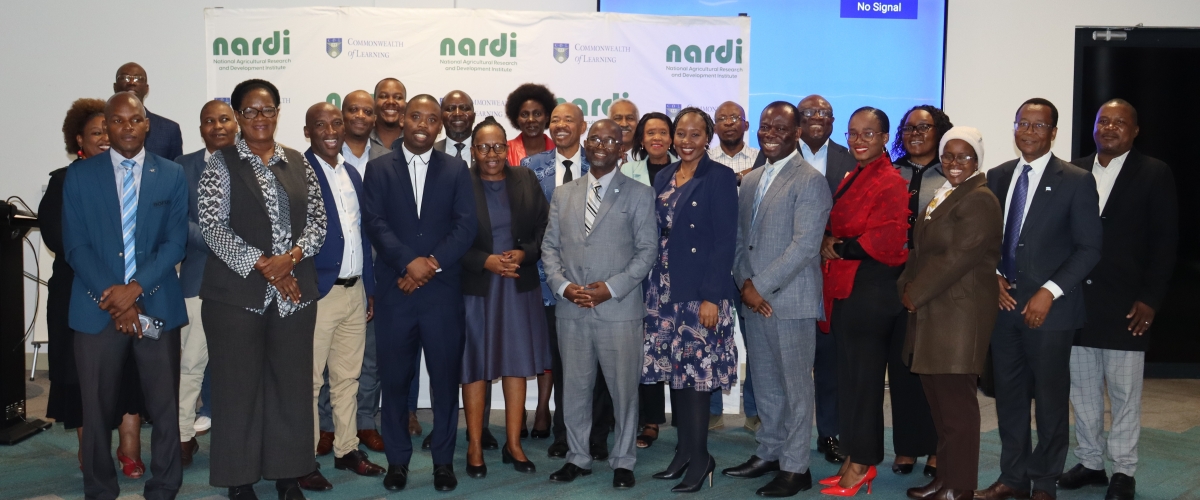
That call dominated the NARDI-FAO-Commonwealth Agricultural Data Forum held in Gaborone, Botswana, on April 24, where policymakers, researchers, farmers, and regional institutions declared that the era of treating data as a passive resource must end.
Her remarks echoed a growing consensus across the Southern African Development Community (SADC): vast volumes of agricultural information are already being generated, tracking climate trends, production systems, livestock health, and market dynamics, yet much of it remains fragmented, siloed, and underutilized.
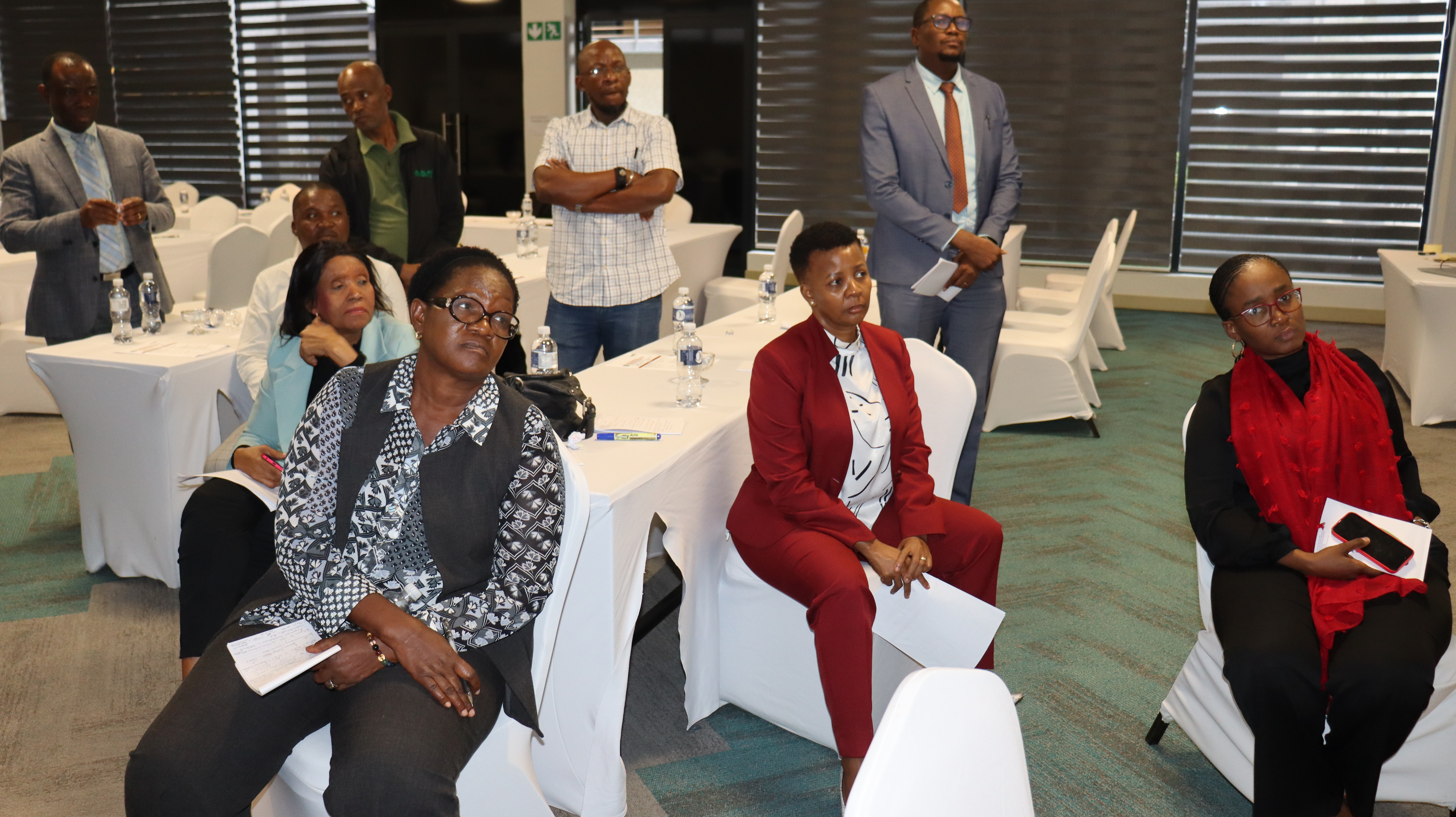
"Too often, data does not reach the people who need it most, especially farmers," said Dr. Benjamin Addom, a Representative for the Commonwealth Secretariat. "We need more than data collection tools. We need secure, standardized, and specific data that can be trusted and acted upon."
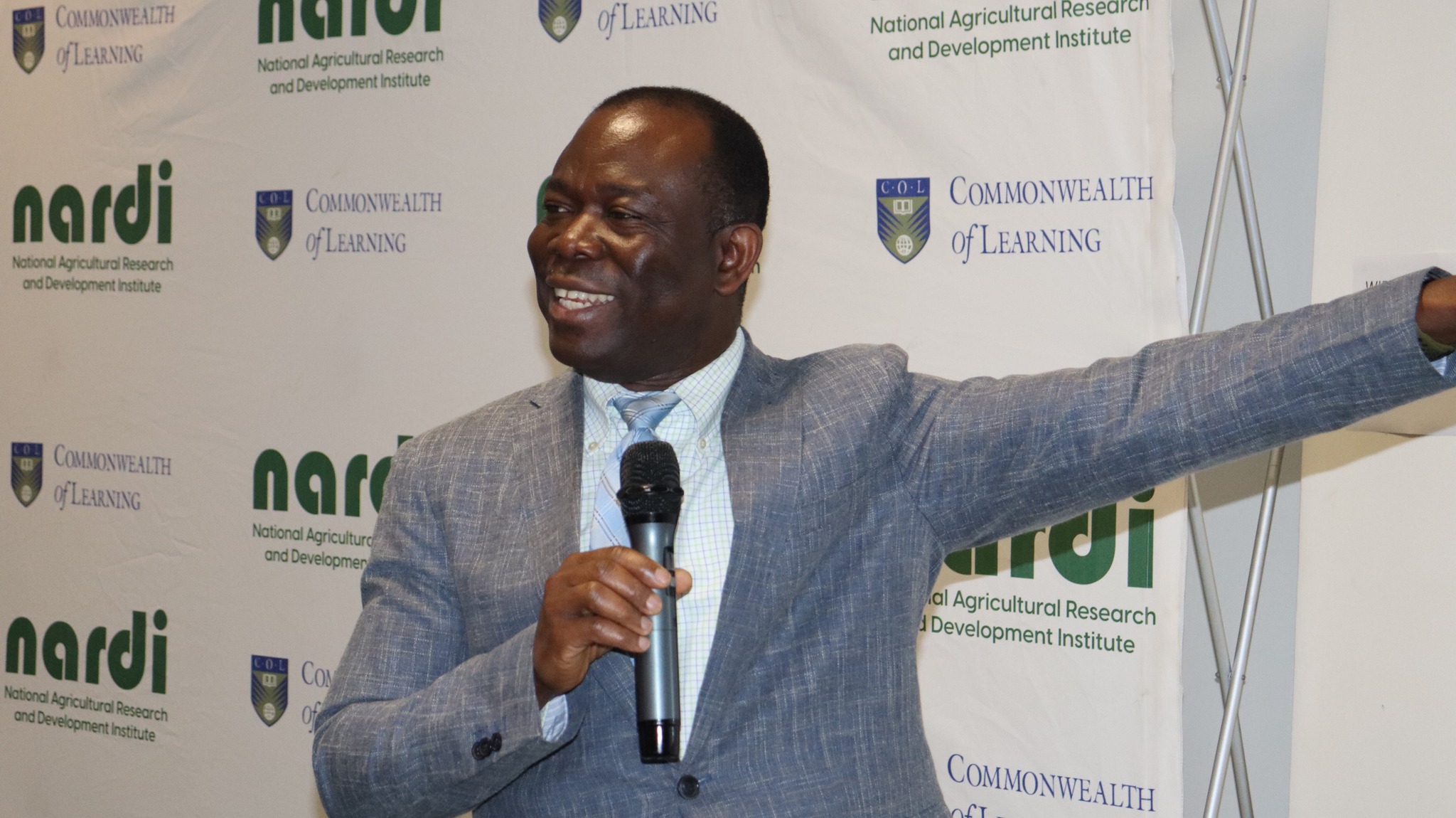
Dr. Benjamin Addom
At the heart of the forum's discussions was the proposed National Agricultural Data Infrastructure (NAgDI) framework, a Commonwealth-backed initiative designed to help member states create interoperable, farmer-centric platforms for agricultural data. The framework supports the Commonwealth Connectivity Agenda for Trade and Investment and aims to align national systems with global standards.
National Agricultural Research and Development Institute (NARDI) CEO Professor Julius Atlhopheng used a powerful analogy to underscore the urgency: "A vehicle does not change form when it crosses a border because roads are built to connect. Data systems should function the same way."
He argued that without shared technical and governance standards, countries risk building isolated "data islands" that cannot communicate, undermining regional responses to shared threats like Foot and Mouth Disease, transboundary pests, drought forecasting, and cross-border trade disruptions.
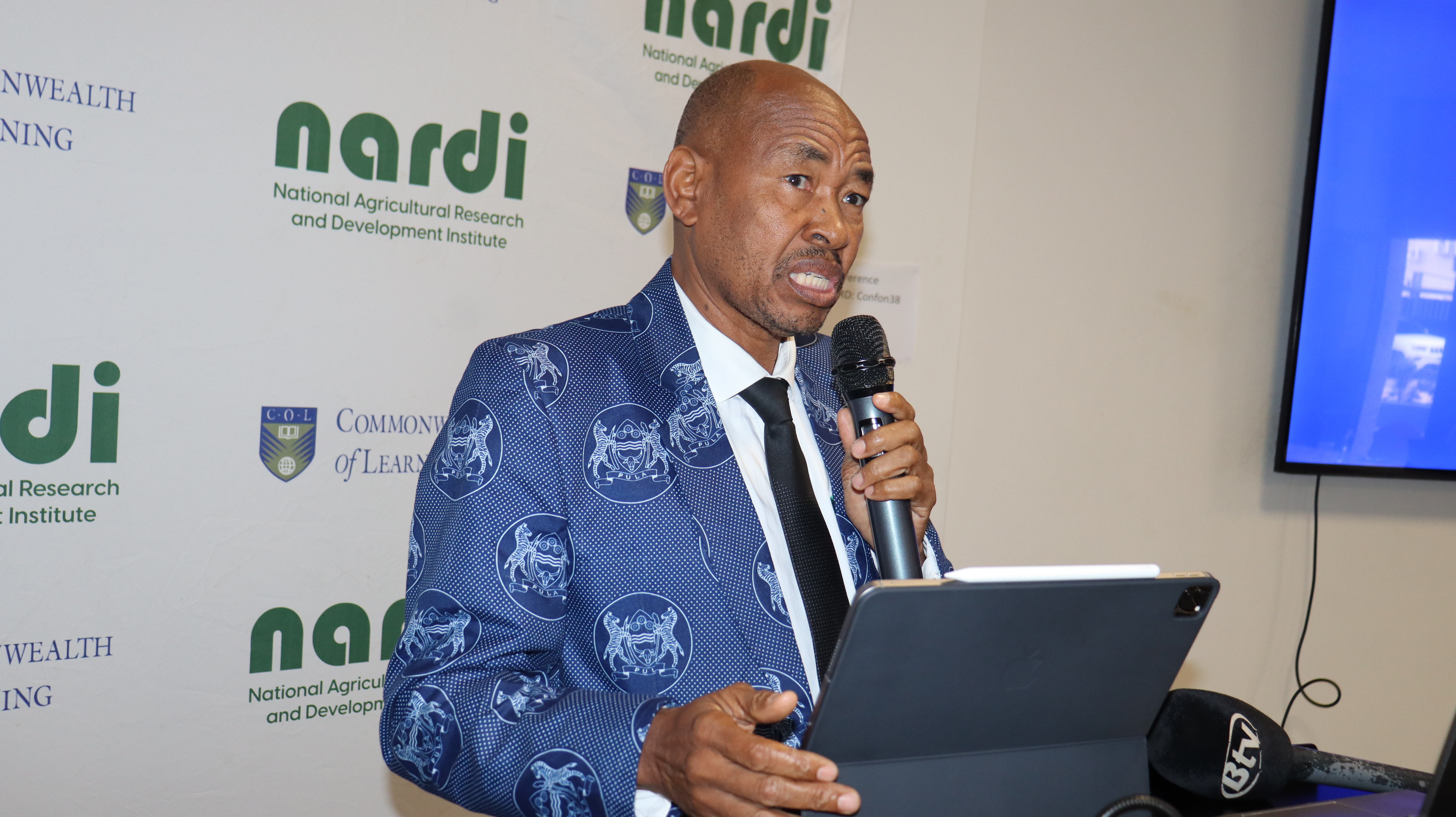
Deputy Permanent Secretary in Botswana's Ministry of Lands and Agriculture, Mr. Odirile Mabaila, framed data not as a support tool but as a strategic national asset. "An agricultural database is a cornerstone of modern farming," he said. "Evidence-based information is essential to improving productivity, managing risk, and ensuring food security."
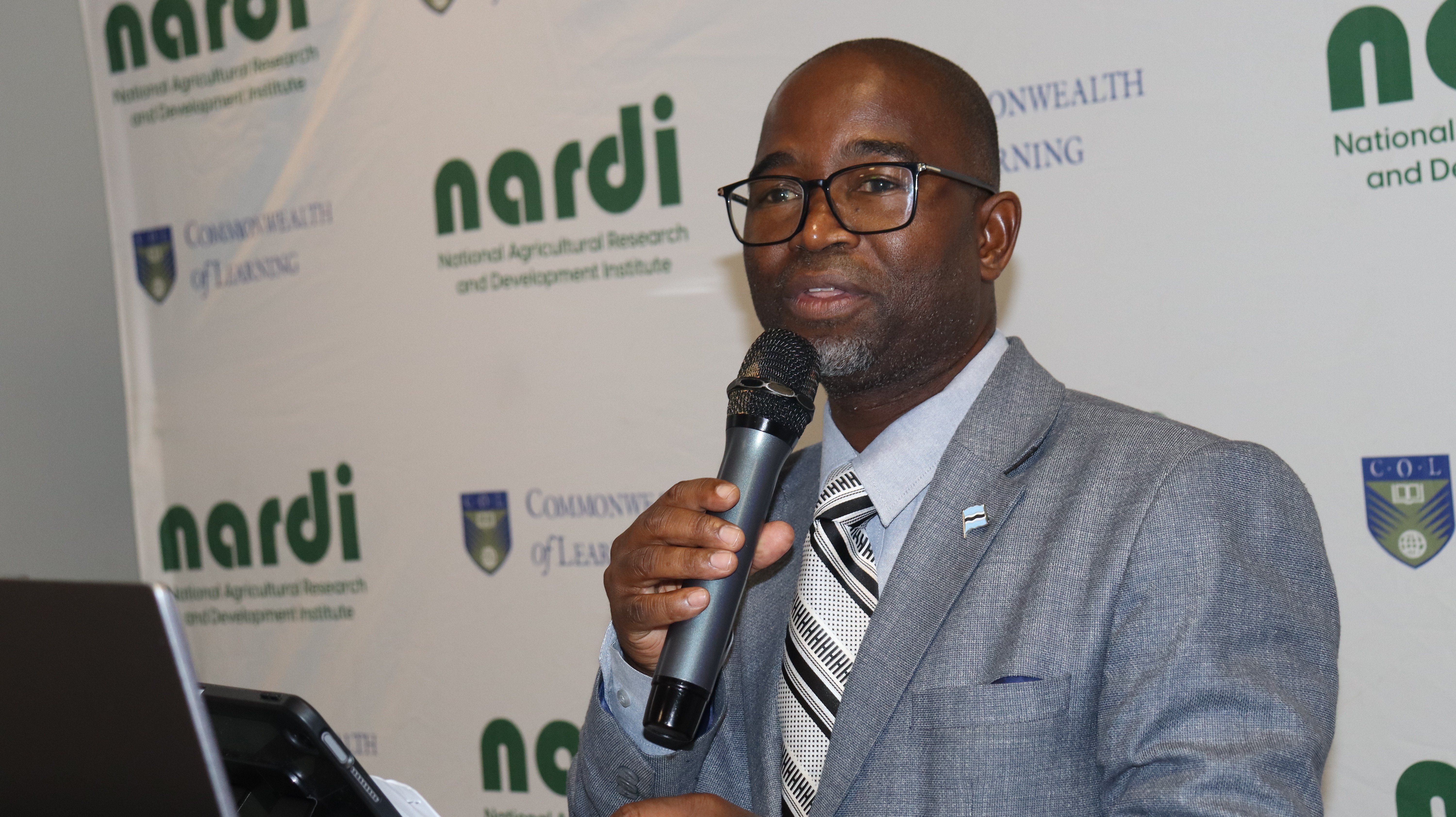
Mr. Odirile Mabaila
Yet significant gaps remain. Dr. Lucky Mokgatlhe, Deputy Statistician General at Statistics Botswana, acknowledged that traditional data collection methods often result in critical delays. "It takes 10 years for Statistics Botswana to provide data on agriculture. This is too long because we rely on traditional sources of data. These are the issues that need to be addressed."
Perhaps the most candid intervention came from Ms. Diane Sibanda, President of the Botswana Farmers Association, who highlighted a persistent barrier: farmer distrust. "Farmers fear taxation or land grabbing," she said. "The problem is not a lack of data. It is a data leadership problem."
Ms. Sibanda stressed that unless data is returned to farmers in usable forms such as real-time market intelligence, climate advisories, or water-use planning tools, collection efforts will continue to face resistance. "We don't need more forms to fill. We need insights that help us plant better, sell smarter, and survive the next drought."
Botswana was cited as an example of progress, having improved its agricultural reporting performance from "red" to "green" under continental monitoring frameworks. Still, speakers emphasized that national gains will mean little if data remains trapped within institutions instead of transforming livelihoods.
Mr. Krishan Bheenick, an international Knowledge Management consultant from the Commonwealth, noted that strong agricultural data systems are essential for tracking progress towards national, regional, and continental commitments such as CAADP, while also improving accountability, innovation, and timely access to information for farmers, researchers, policymakers, and development partners.
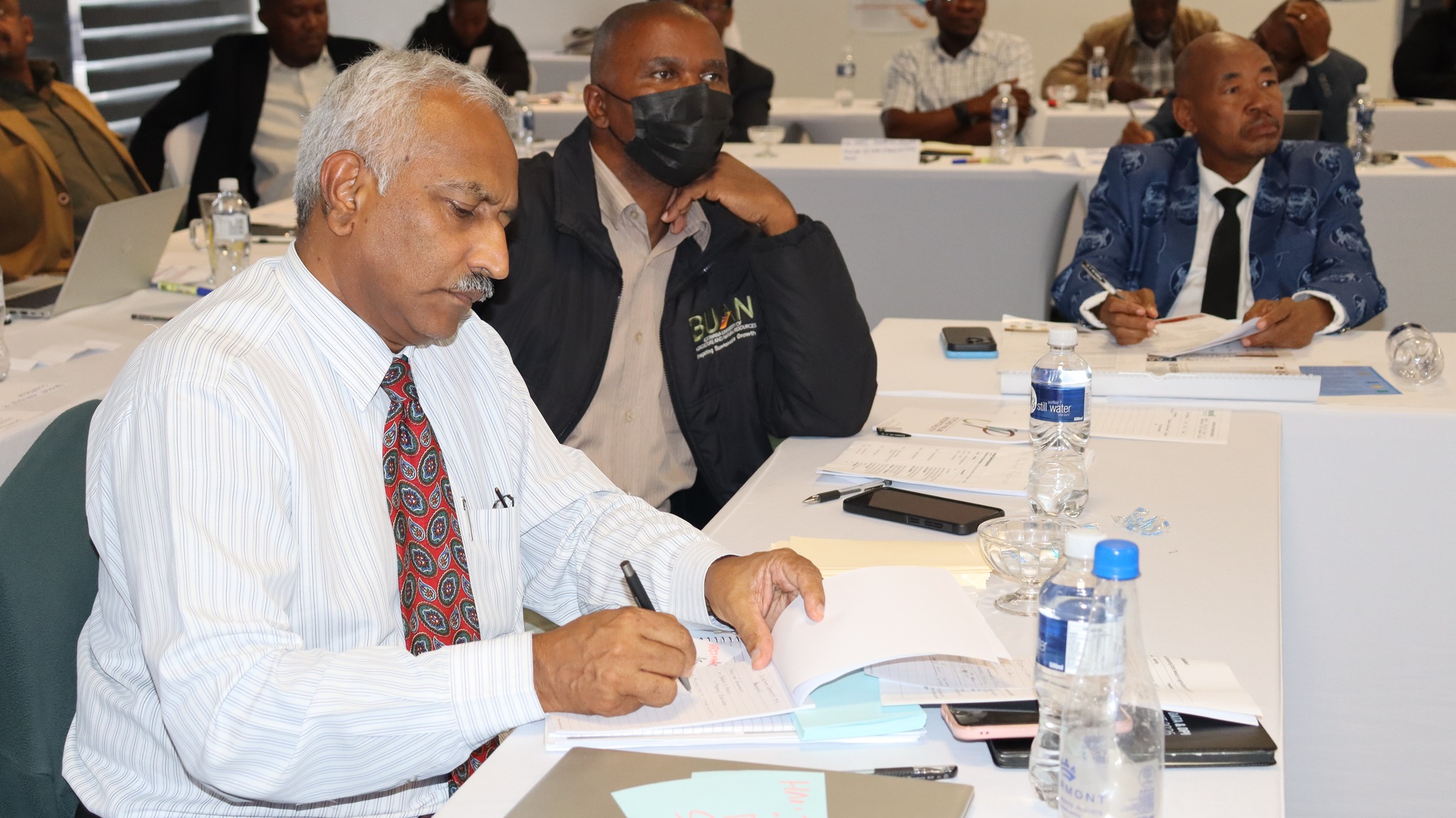
CCARDESA noted that platforms such as the SADC Agricultural Information and Knowledge System and regional knowledge hubs are already helping translate information into actionable knowledge. But stronger political commitment, sustained investment, and inclusive governance are needed to scale impact.
“If the SADC region gets agricultural data right, it can strengthen resilience, improve food systems, and protect millions of livelihoods,” said Dr Bridget Kakuwa-Kasongamulilo. “Without integrated and actionable data systems, the region risks collecting information while losing the battle against climate uncertainty.”

Dr Bridget Kakuwa-Kasongamulilo.
The forum concluded with a commitment to advancing controlled sandbox platforms and secure testing environments in which stakeholders can rigorously evaluate Digital Public Infrastructure (DPI) data exchange protocols before nationwide rollout. These sandboxes aim to balance innovation with data sovereignty, privacy, and interoperability.
As climate volatility intensifies and global food systems face unprecedented pressure, the message from Gaborone was clear: data is no longer optional. It is the foundation upon which resilient, inclusive, and productive agriculture will be built.
The meeting marked an important next step: the establishment of a national coordinating committee to guide and harmonize agricultural data collection efforts in Botswana, strengthening collaboration, data quality, and evidence-based decision-making.
The question now is no longer whether to collect data, but whether leaders, institutions, and communities can work together to ensure that the data serves those who feed the region.
The author is a reporter at the Botswana Guardian
Photo credit: Kelebogile Mafoko NARDI-Corporate Communications Office.