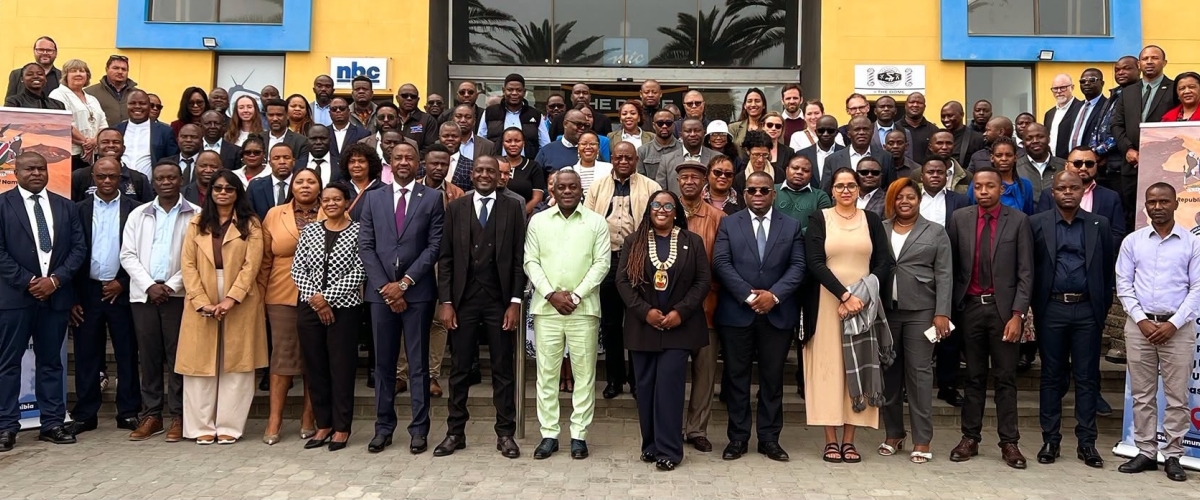
Southern Africa has been urged to turn climate forecasts into early action as the latest regional outlook points to below normal rainfall across large parts of the region during the 2026/27 rainfall season, alongside a high likelihood of above normal temperatures.
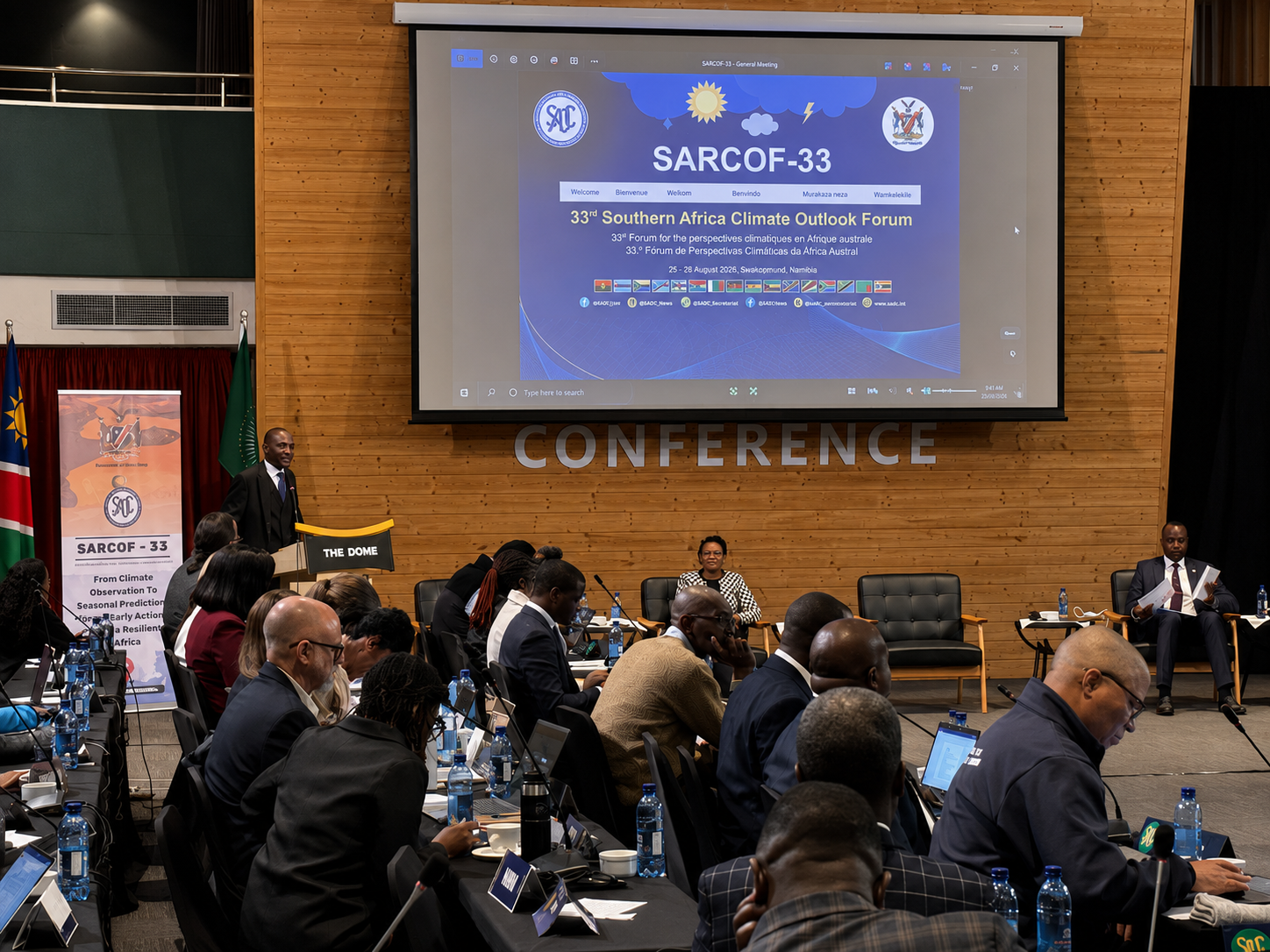
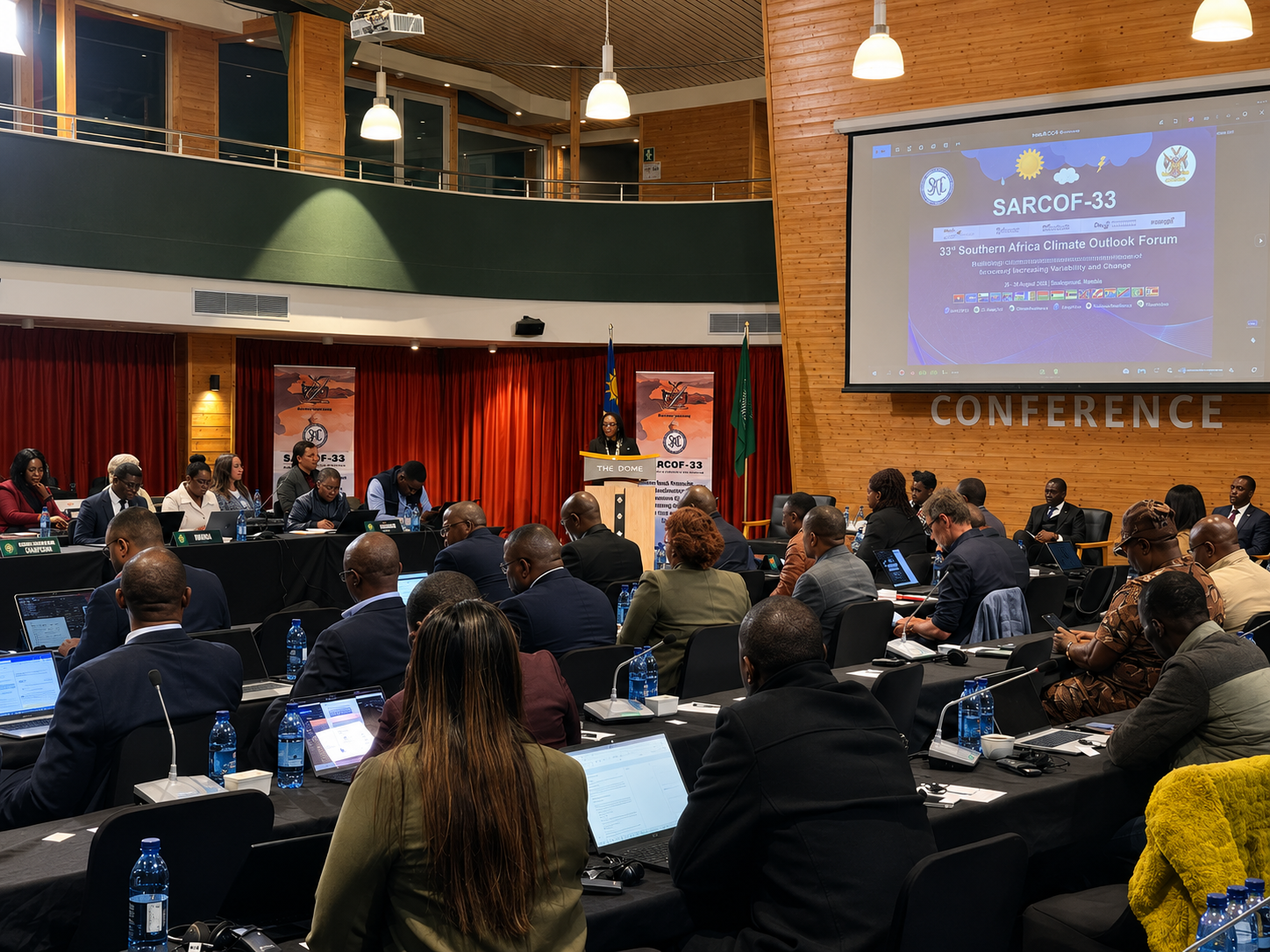
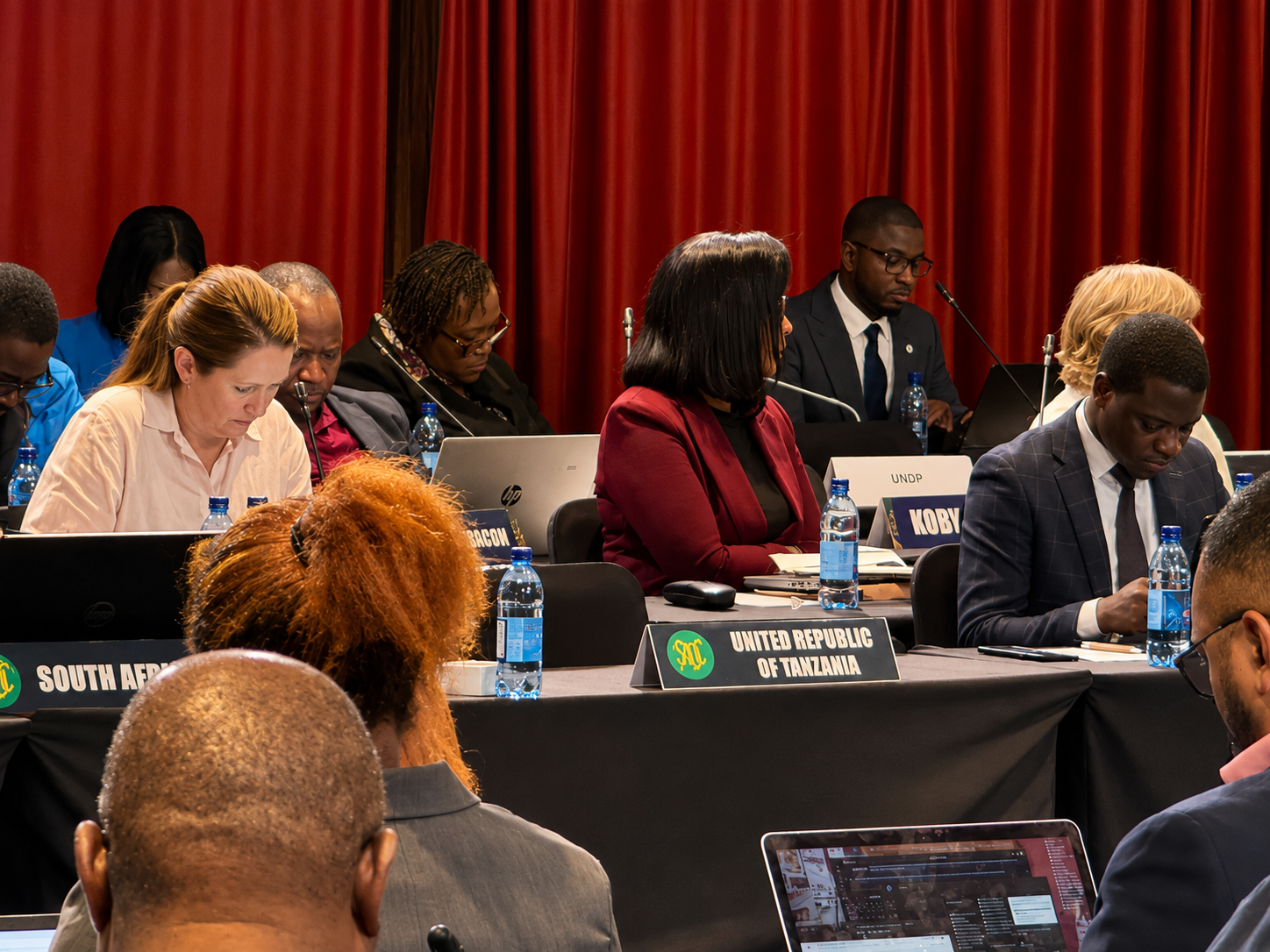
The outlook was released at the 33rd Southern African Regional Climate Outlook Forum (SARCOF 33), held in Swakopmund, Namibia, from 25 to 28 August 2026 under the theme, “From Climate Observation to Seasonal Prediction: Informing Early Action for the Upcoming Season.” The forum brought together climate experts, governments, regional institutions, development partners and users of climate information to develop the regional seasonal outlook and discuss its implications for key sectors.
According to the official SARCOF 33 Statement, the bulk of the SADC region is likely to receive below normal rainfall during October to December 2026. Much of Angola, southern Zambia, Zimbabwe, Mozambique, Namibia, Botswana, most of South Africa, Eswatini and Lesotho have increased chances of below normal rainfall, with high confidence in the forecast for these areas.
The drier conditions are expected to persist into early 2027 across significant parts of central and southern SADC, while some northern and eastern parts of the region could experience more favourable rainfall conditions.
The outlook comes as El Niño conditions are established in the tropical Pacific and expected to strengthen, potentially reaching strong to very strong levels around October to December 2026. Above normal temperatures are also favoured across most of the region, raising concerns for agriculture, water resources, livestock and food security.
 | 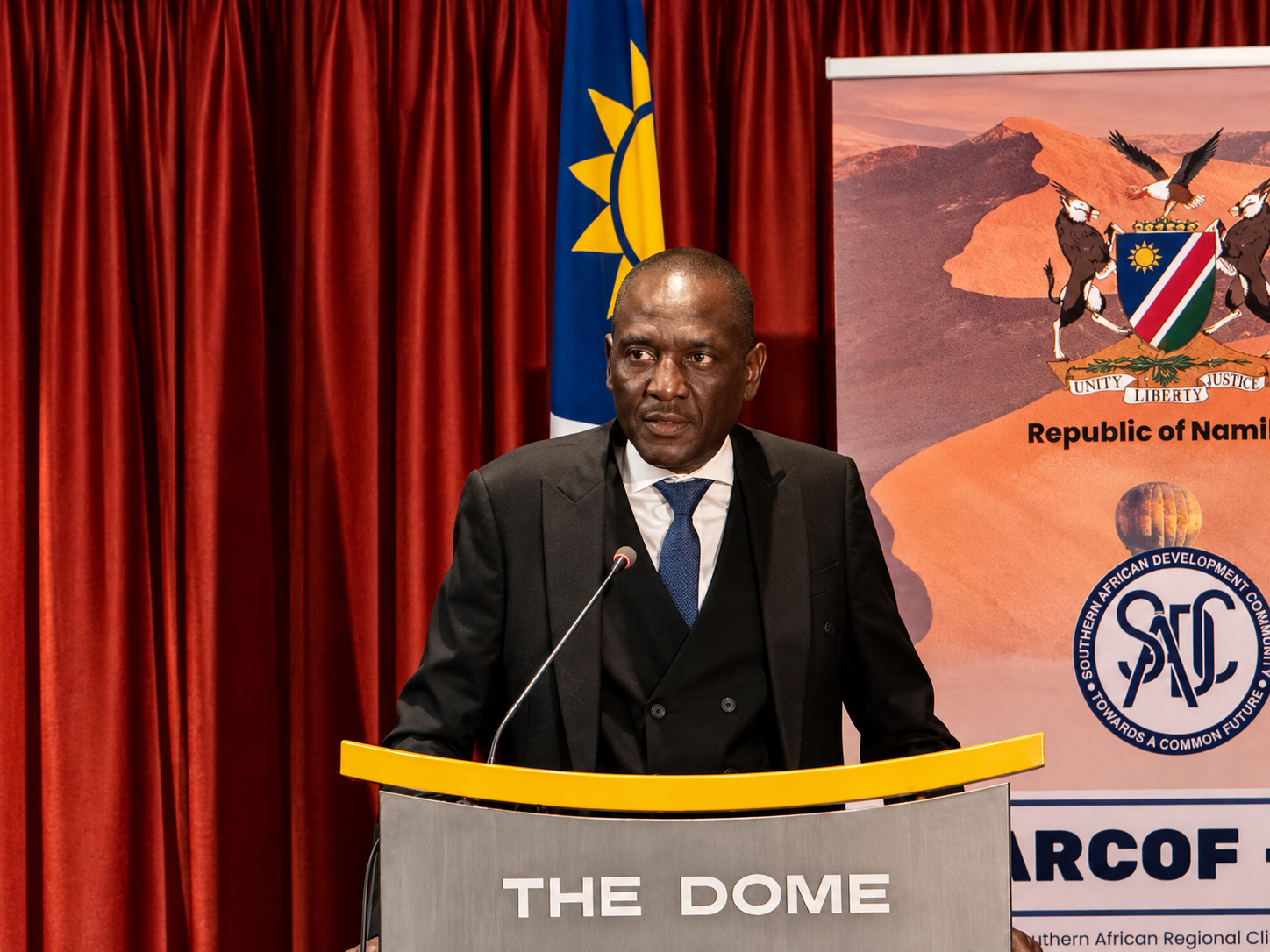 |  | 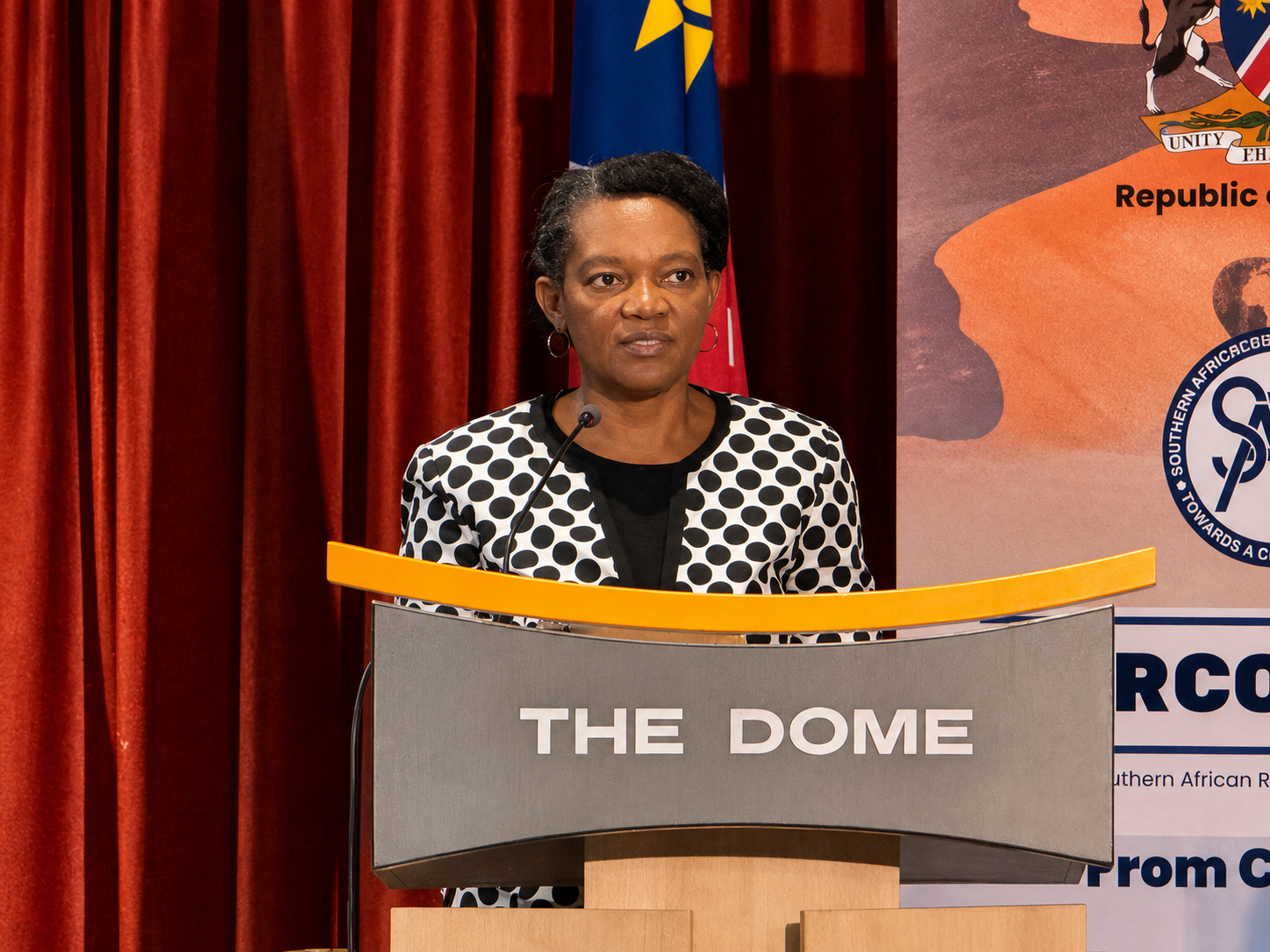 |
Opening the forum, Hon. Veikko Nekundi, Minister of Works and Transport of the Republic of Namibia, said the regional outlook should be viewed as much more than a scientific product.
“This is far more than a technical exercise. It is a lifeline. It is a bridge between science and society,” Hon. Nekundi said.
He called for greater investment in National Meteorological and Hydrological Services and urged governments to ensure that climate information is backed by the resources and institutional capacity needed to protect communities.
“Let us move from resolutions to resources, and from promises to performance,” Hon. Nekundi said.
Ms Rauna Mukumangeni, SADC Director of Infrastructure, reinforced the need to connect forecasts with practical decisions across climate sensitive sectors.
“The value of SARCOF therefore extends well beyond the production of a seasonal climate outlook. It is about translating climate science into action,” Mukumangeni said.
She stressed that reliable climate information can help countries anticipate risks rather than respond only after losses have occurred. She also emphasised the importance of regional cooperation, noting that droughts, floods, heatwaves and severe storms can simultaneously affect shared river basins, food production, transport corridors, energy systems and communities across several countries.
CCARDESA Links Climate Forecasts to Soil Health
CCARDESA, through the SADC Regional Soil Health and Fertilizer Hub supported by the World Bank-funded Food Systems Resilience Programme (FSRP), used SARCOF 33 to highlight the importance of linking seasonal climate forecasts with soil health and practical agricultural early action. Its presentation, “Healthy Soils: The Missing Link Between Climate Forecasts and Early Action,” stressed that for agriculture, the critical question is not only how much rain will fall, but also the condition of the soil when the rain reaches the ground.
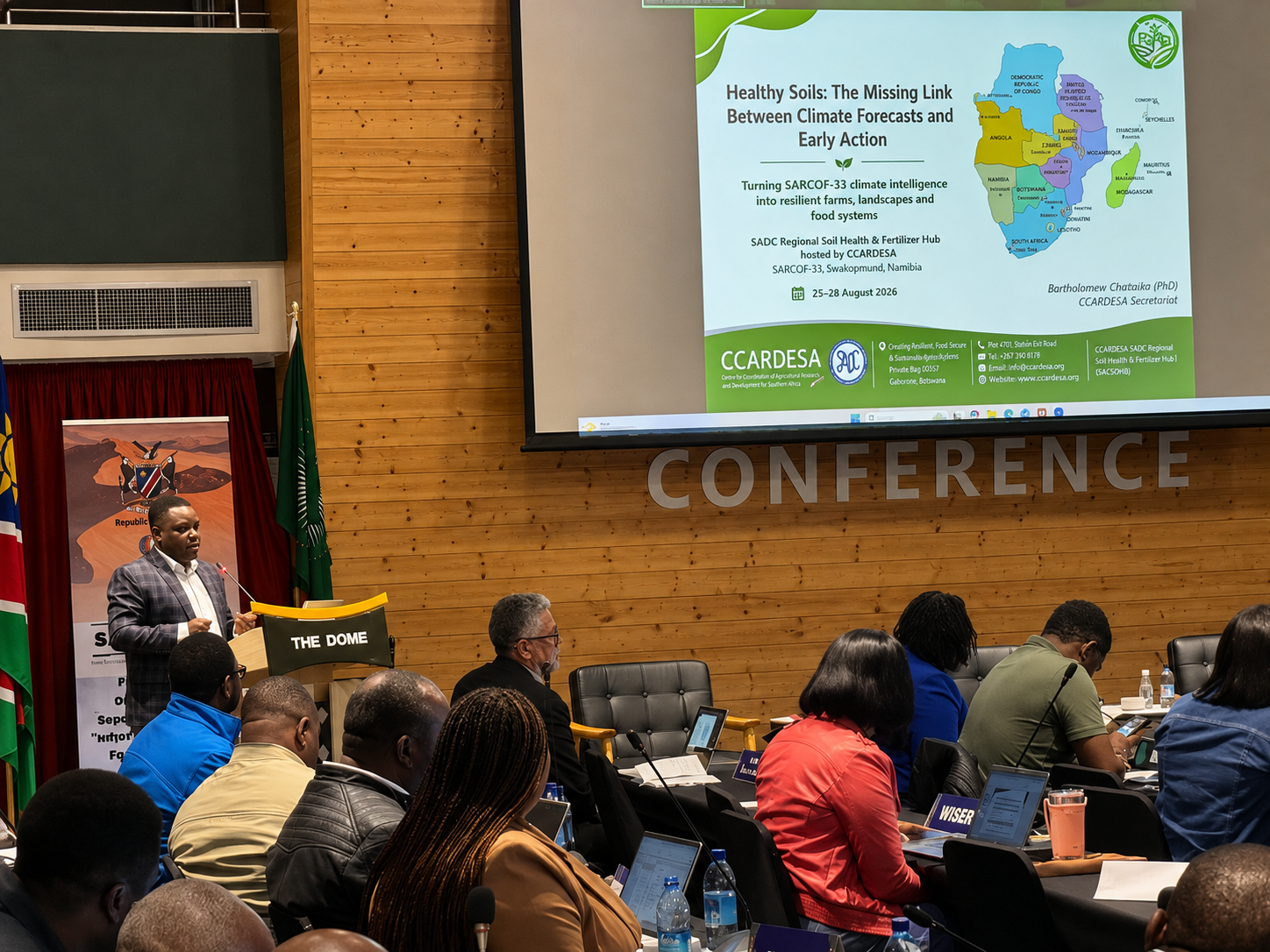 |  |  |
CCARDESA emphasised that healthy soils can improve water infiltration and retention and help reduce farmers’ vulnerability to climate shocks. It called for the SARCOF outlook to inform targeted soil and water conservation, appropriate inputs, resilient crop varieties and other anticipatory measures before losses occur. The presentation summed up the message simply: “The forecast tells us what may come. Healthy soils determine how hard it hits.”
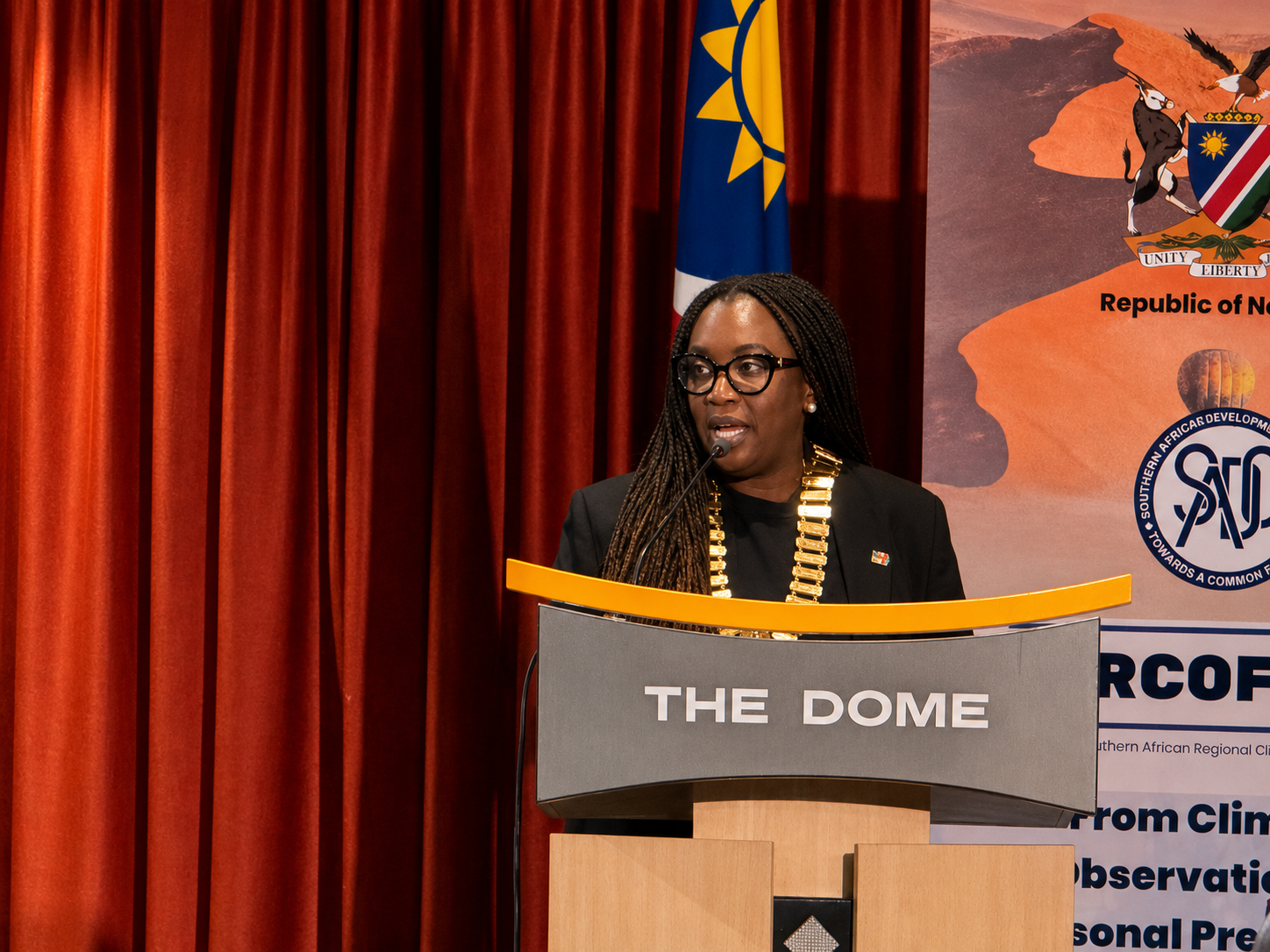
At the local level, Her Worship Councillor Suama Kautondokwa, Mayor of Swakopmund, stressed that climate information achieves its purpose only when it reaches people who can use it.
“The true value of climate information is realised when it enables governments, communities, businesses and other stakeholders to prepare in advance, reduce risks and take appropriate action,” Kautondokwa said.
This focus on action ran throughout SARCOF 33, where participants examined the implications of the seasonal outlook for agriculture and food security, livestock, water, energy, health, disaster risk management and other climate sensitive sectors, with discussions centred on preparedness and mitigation measures.
The regional outlook, however, is probabilistic and covers relatively large geographical areas. Conditions can vary considerably within countries and between locations. Farmers, governments, disaster risk management authorities and other users are therefore encouraged to consult their respective National Meteorological and Hydrological Services for national and local forecasts, regular updates and sector specific advisories throughout the season.