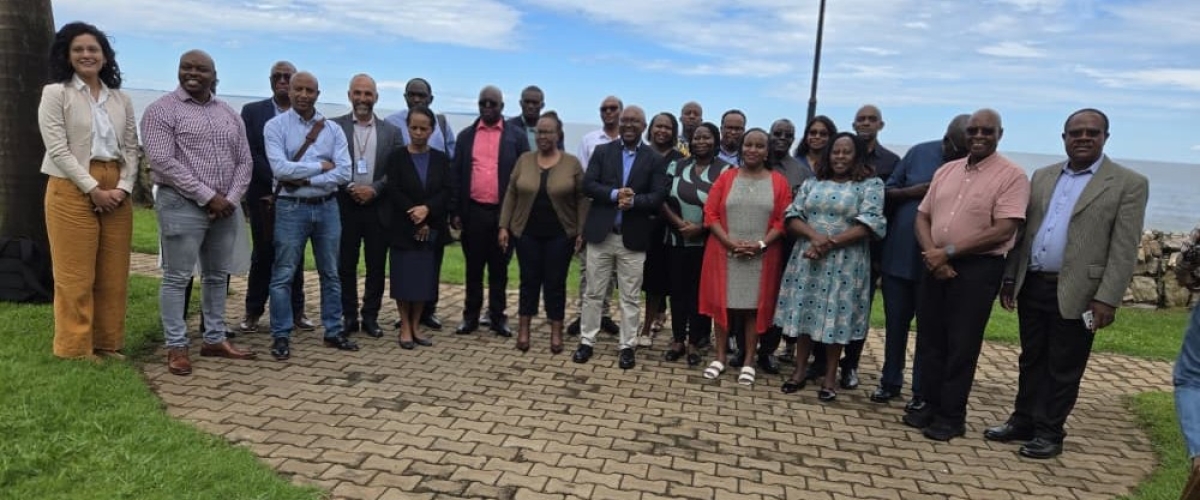
The Centre for Coordination of Agricultural Research and Development for Southern Africa (CCARDESA) participated in the FS-CAP Regional Study Validation Workshop held from 11–14 May 2026 at Protea Entebbe in Uganda. The workshop brought together regional economic communities, research institutions, development partners, and policy experts to validate a regional study titled “The Case for Regional Investments in Early Warning Systems, Research and Extension, and Agrifood Trade in Eastern and Southern Africa,” Commissioned under the World Bank-supported Food Systems Climate Action Programme (FS-CAP). The main purpose of the workshop was to contribute to refining the regional study and informing future investments aimed at strengthening climate resilience, agricultural innovation, food systems transformation, and sustainable development across Eastern and Southern Africa.
The workshop was facilitated by Devika Singh from the World Bank, with support from Dr. Martin Muchero, an international consultant who led the study from the CCARDESA side, and Mrs. Catherine Mbindyo, a consultant who supported the study from the IGAD side. Together, they guided participants through discussions on institutional roles, thematic validation, political economy considerations, and future regional investment priorities.
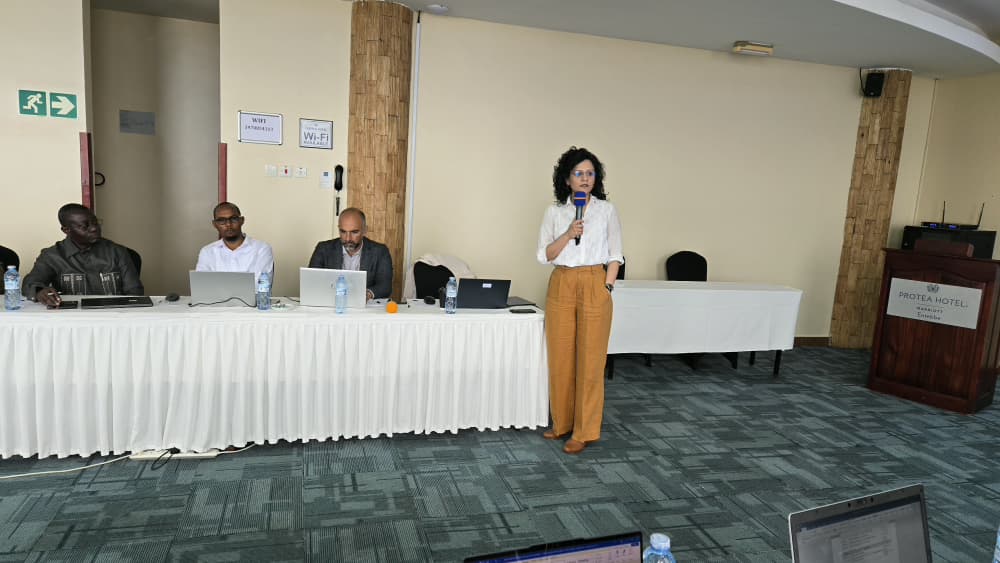
Ms Devika Singh
Dr Majola Mabuza, who together with Dr Senait Regassa presented on the role of regional institutions such as CCARDESA and IGAD in supporting Member States through coordinated regional approaches. Dr Mabuza shared key inputs from regional programmes including the Food Systems Resilience Program (FSRP) and the Agricultural Productivity Programme for Southern Africa (APPSA), highlighting how regional coordination platforms help countries pool resources, strengthen research systems, share knowledge, and address transboundary challenges such as climate change, pests, livestock diseases, and food insecurity. Dr. Regassa also shared key achievements and experiences from IGAD, highlighting the organization’s role in strengthening regional coordination, early warning systems, climate resilience, and cross-border collaboration. She emphasized the importance of regional institutions in addressing transboundary challenges, supporting Member States, and promoting integrated approaches that strengthen food systems and sustainable development across the region.
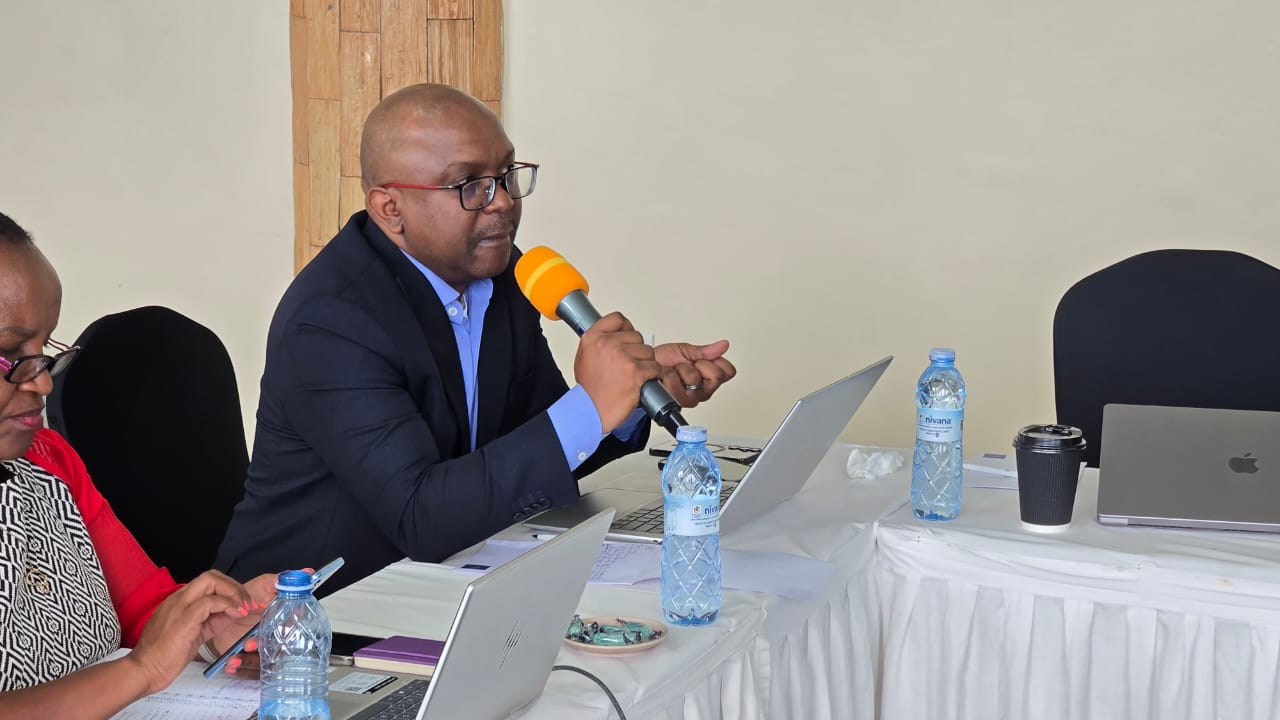
Dr Majola Mabuza
During the discussions, participants emphasized the growing importance of regional integration in strengthening food systems resilience and economic transformation. Devika Singh noted that donor funding is becoming increasingly competitive and stressed that regional organizations must clearly demonstrate measurable impact, value for money, and sustainable investment models. She observed that development partners are increasingly asking what regional institutions themselves are contributing towards sustainability and ownership of programmes.
Dr. Steve Goss led discussions on the cost-benefit analysis of investments in Early Warning Systems, Research and Extension, and Agrifood Trade. He emphasized that the regional layer remains critical in responding to climate-related risks and highlighted the importance of strengthening early warning dissemination systems to protect vulnerable communities from disasters such as floods, heat waves, and disease outbreaks.
Ms. Mona Laske facilitated thematic validation sessions on Agricultural Research and Extension, during which participants discussed the importance of strengthening regional learning platforms to connect research outputs directly to farmers and local communities. Discussions also focused on improving extension services, promoting technology adoption, and strengthening policy influence through regional coordination.
Representatives from regional and continental institutions also contributed significantly to the discussions. Dr. Dickson Baguma, the Executive Director of ASARECA, emphasized that regional collaboration lowers operational costs and creates stronger systems for knowledge sharing and market linkages. AFAAS, represented by Dr Lilian Lihasi, highlighted the growing role of artificial intelligence, digital systems, and food systems transformation, stressing that regional investments are essential to supporting countries in moving beyond fragmented approaches and working together more effectively. Dr. Aggrey Agumya, FARA’s Executive Director, said, “Regional integration is never an option; it is a necessity. Regional organizations continue to shape critical agricultural decisions across Africa, and platforms such as the Fertilizer Summit in Kenya have demonstrated the important influence that Sub-Regional Organizations bring in guiding policy and development direction for the continent,” He cited the Fertilizer Summit held in Kenya, and highlighted how Sub-Regional Organizations (SROs) significantly influenced the direction and outcomes of the discussions, demonstrating the importance of coordinated regional engagement in driving agricultural development and policy harmonization. Adding to the discussion, Dr. Lilian Lihasi, noted that AI and digital systems must become part of the solution in transforming Africa’s food systems. Regional investments, stronger research and extension systems, private sector engagement, and collaboration across institutions are essential because no country can achieve this transformation alone.
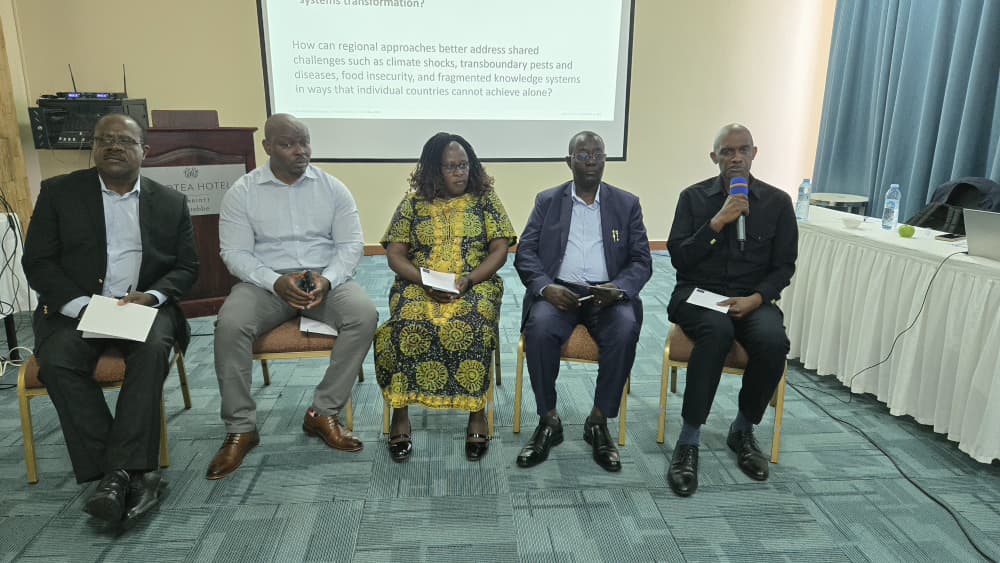
Panel Discussions RECs
Discussions from national and research institutions reinforced the need for stronger regional coordination. Prof. Azwihangwisi Norman Maiwashe, General Manager at the Agricultural Research Council - Animal Production (ARC-AP) emphasized the importance of regional institutions responding to the “what if” questions surrounding the value and sustainability of regional investments. He stressed that regional bodies must clearly demonstrate their impact, relevance, and value proposition to Member States and development partners. He further highlighted the need for stronger advocacy and evidence-based communication to showcase how regional coordination contributes to food systems resilience, agricultural transformation, and sustainable development across Africa.. Dr Lefulesele Lebesa, Director of Agricultural Research from Lesotho, emphasized that the regional layer plays a critical role in strengthening national systems by helping countries identify and build on each other’s strengths. She noted that regional cooperation enables countries to share technologies, strengthen capacity development, and support one another in areas where gaps exist. She further highlighted the importance of early warning systems and timely information sharing to help countries prepare for disasters before they strike. Dr Lebesaalso called for increased regional policy dialogue, stronger continental collaboration through the African Union Commission (AUC), and innovative resource mobilization approaches such as blended finance to ensure long-term sustainability beyond donor support. Other panelists also emphasized that regional organizations should strengthen advocacy, harmonize standard operating procedures, and support joint regional efforts to combat climate change and strengthen resilience.
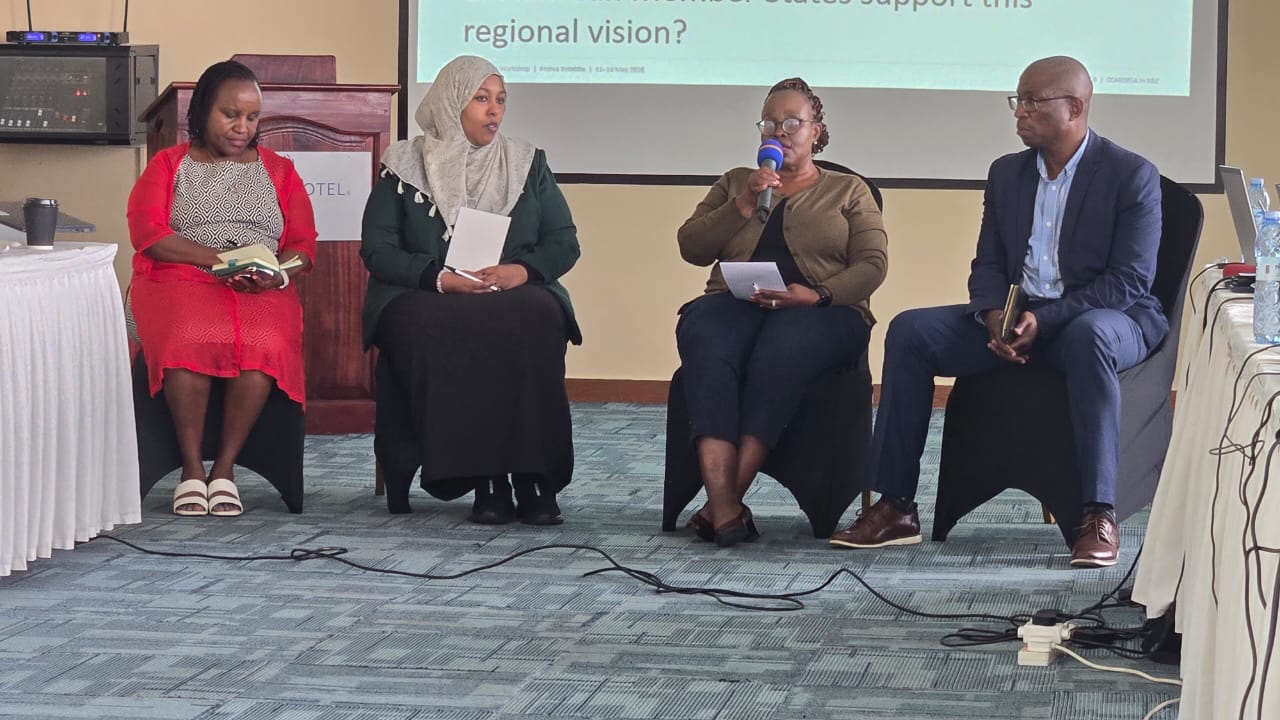
Panel Discussion
The workshop also examined the need for sustainable financing models for regional organizations. Participants, through panel discussions, noted that reliance on donor funding alone is unsustainable and encouraged stronger Member State ownership, blended financing approaches, and enhanced private-sector engagement. Discussions highlighted the need for regional organizations to continue demonstrating their value proposition through concrete results, stronger partnerships, and practical solutions that directly benefit communities and farmers.
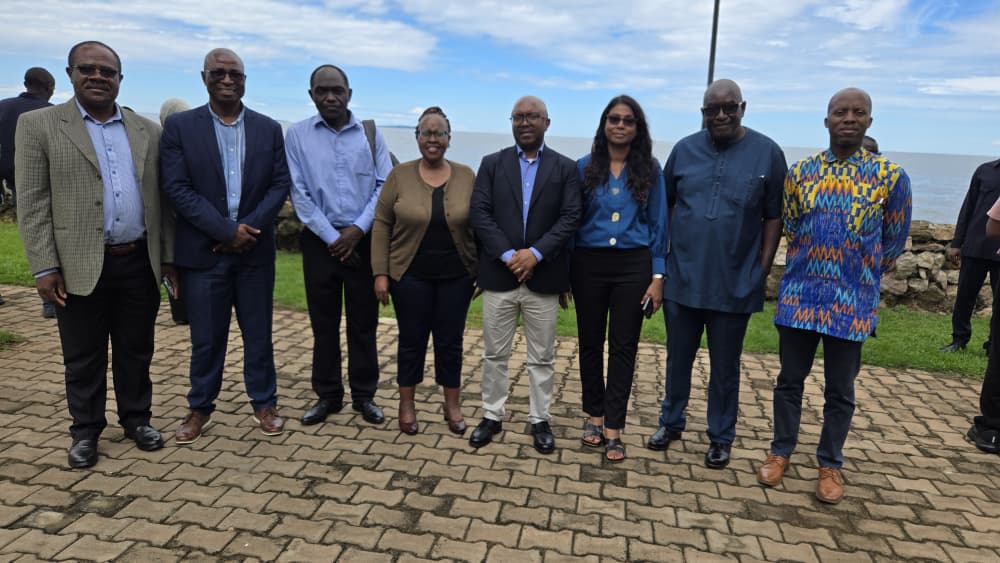 CCARDESA was represented by Dr. Majola Mabuza, Programs Coordinator, Mr. Dagmore Tawonezwi, Monitoring and Evaluation Officer, and Dr.Bridget Kakuwa-Kasongamulilo, ICKM Manager.
The workshop concluded with a commitment to refine and strengthen the regional study using inputs gathered from regional organizations, research institutions, development partners, and Member States. Participants agreed that the findings would help shape future bankable regional investments in Early Warning Systems, Agricultural Research and Extension, and Agrifood Trade across Eastern and Southern Africa.
Key next steps include incorporating recommendations from the validation sessions, strengthening the evidence on the value of regional investments, identifying sustainable financing mechanisms, and enhancing collaboration between regional and national institutions.